Understanding 焦慮症: An Overview
In today’s fast-paced lifestyle, particularly in bustling urban environments like Hong Kong, emotional well-being is increasingly becoming a focal point for many individuals. 焦慮症 (Anxiety Disorder) is one of the most prevalent mental health concerns, affecting millions worldwide. Often misunderstood, anxiety manifests not only as distressing thoughts but also as physical symptoms that can significantly impair daily functioning. By understanding what anxiety is, recognizing its symptoms, and grasping its broader implications, individuals can better navigate their mental health journey.
What is 焦慮症?
焦慮症 is a psychological condition characterized by excessive and persistent feelings of fear, worry, or apprehension about future events or situations. Unlike normal feelings of anxiety that many people experience occasionally,焦慮症 can dominate an individual’s life. The World Health Organization highlights that over 3.59 million people were diagnosed with various forms of anxiety disorders in 2021, underlining the urgency of addressing this public health concern.
Common Symptoms and Warning Signs
Symptoms of 焦慮症 can range from mild to severe, and they often manifest in various forms, including:
- Excessive worry about everyday problems
- Restlessness or feeling on edge
- Difficulty concentrating or mind going blank
- Physical symptoms such as rapid heartbeat, sweating, or trembling
- Sleep disturbances including insomnia or disrupted sleep patterns
These symptoms can lead to a cycle of anxiety that further exacerbates the condition if left untreated, impacting both personal and professional relationships.
The Psychological and Physical Impact of 焦慮症
The repercussions of 焦慮症 are extensive and multifaceted. Psychologically, it can lead to feelings of dread, low self-esteem, and isolation. Physically, chronic anxiety can trigger various health issues, including digestive problems, chronic fatigue, and cardiovascular concerns. These effects not only diminish quality of life but can also contribute to other mental health disorders, thereby complicating treatment approaches.
Identifying the Types of 焦慮症
Understanding the different subtypes of 焦慮症 is essential for effective diagnosis and treatment. Various anxiety disorders can present unique characteristics, which helps tailor the therapeutic approach.
Differentiating Between Various Anxiety Disorders
Common types of 焦慮症 include:
- Generalized Anxiety Disorder (GAD): Characterized by chronic and exaggerated worry over various aspects of life.
- Panic Disorder: Involves recurrent and unexpected panic attacks, often leading to a fear of future attacks.
- Social Anxiety Disorder: An intense fear of social interactions and being judged by others.
- Specific Phobias: Relatively high levels of fear connected to a specific object or situation.
Common Triggers and Risk Factors
Anxiety disorders can be triggered by a combination of genetic, environmental, and psychological factors. Common triggers include:
- Stressful life events
- Chronic medical conditions
- Substance abuse
- Family history of mental health issues
How 焦慮症 Affects Daily Life
The impact of 焦慮症 extends into various facets of daily living. Work performance can decline due to difficulty concentrating and managing stress, while relationships often suffer due to withdrawal and miscommunication. As anxiety affects an individual’s ability to function normally, support from family and friends becomes critical.
Exploring Effective Treatment Options for 焦慮症
Addressing 焦慮症 requires a multifaceted approach, combining professional help and personal strategies to foster recovery.
Professional Therapies: CBT and Beyond
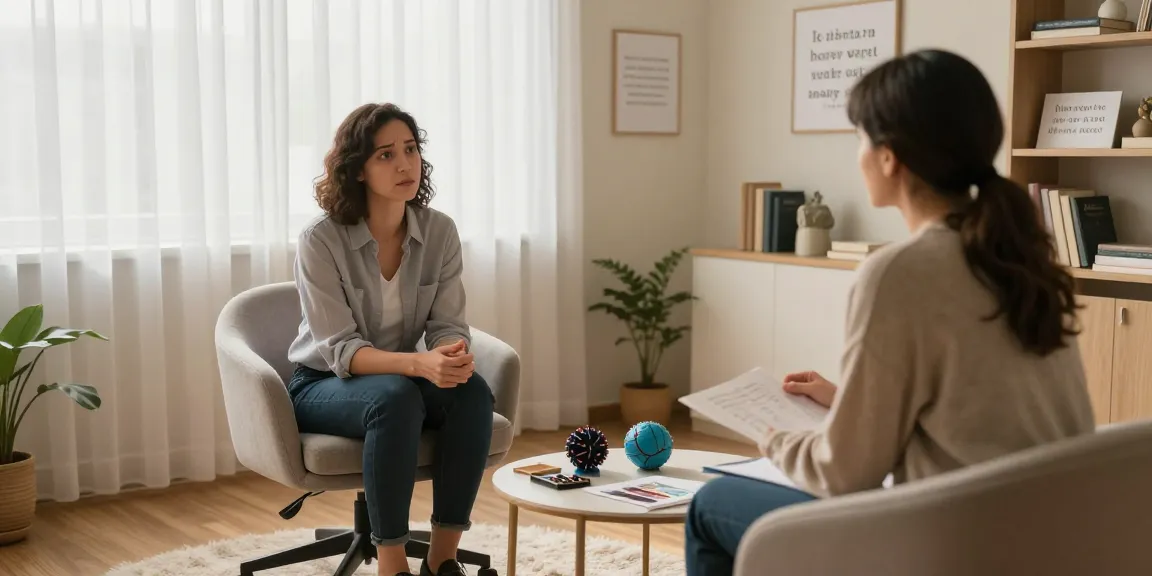
Cognitive Behavioral Therapy (CBT) is one of the most effective treatments for 焦慮症, focusing on altering negative thought patterns and behaviors. Other therapeutic options may include exposure therapy, dialectical behavior therapy (DBT), and interpersonal therapy (IPT), which can help individuals cope with anxiety in unique ways.
The Role of Medication in Treatment Plans
In some cases, medication may be prescribed to help alleviate severe symptoms of 焦慮症. Common medications include selective serotonin reuptake inhibitors (SSRIs) and benzodiazepines, both designed to regulate mood and reduce anxiety levels. However, a careful assessment by a professional is necessary to tailor medication plans effectively.
Self-Help Strategies for Managing 焦慮症
In addition to professional treatment, self-help strategies play a vital role in managing 焦慮症. These strategies include:
- Engaging in regular physical activity to boost mood-regulating hormones
- Practicing mindfulness and meditation to promote relaxation
- Establishing a healthy work-life balance to reduce stress
- Seeking support from friends, family, or support groups
Preventive Measures and Coping Techniques
Taking proactive steps to prevent anxiety or manage its symptoms is crucial for long-term mental health.
Healthy Lifestyle Choices to Reduce Anxiety
Adopting a balanced lifestyle can significantly mitigate anxiety symptoms. This includes maintaining a nutritious diet, getting adequate sleep, and limiting caffeine and alcohol intake. Incorporating relaxation techniques, such as yoga or deep-breathing exercises, can also provide relief from anxious thoughts.
Building a Support Network: Family and Friends
Emotional support is vital in coping with 焦慮症. Encouraging open communication with loved ones can lead to a better understanding of the experiences faced by those suffering from anxiety. Building a solid support network can create a safe space for individuals to express their feelings and receive encouragement.
Mindfulness and Relaxation Techniques
Practicing mindfulness and various relaxation techniques can offer immediate relief from anxiety. Activities such as progressive muscle relaxation, guided imagery, and deep breathing can help lower stress levels and improve an individual’s ability to handle anxiety-provoking situations.
Future Trends in Understanding and Treating 焦慮症
The landscape of mental health care is evolving, with emerging therapies and technologies showing promise for those grappling with 焦慮症.
Innovative Therapies on the Horizon
Research is ongoing into innovative treatments for anxiety, including neuromodulation therapies, virtual reality therapy, and digital mental health solutions that provide accessible care options for individuals.
Technological Advances in Mental Health Care
Telehealth services have expanded the reach of mental health care, allowing individuals to access therapy conveniently from their homes. This increased accessibility could play a significant role in addressing the rising incidence of 焦慮症 in today’s society.
The Importance of Advocacy and Awareness in 2026
As awareness around mental health continues to grow, advocacy for better resources and destigmatization of anxiety disorders is essential. Community education programs and public campaigns can foster a supportive environment for those affected by 焦慮症, encouraging individuals to seek help without fear of judgment.
What are the common misconceptions about 焦慮症?
Many misconceptions surround 焦慮症, including the belief that it is merely a phase or that it can be overcome with sheer willpower alone. Understanding the realities of anxiety disorders is crucial to fostering empathy and encouraging individuals to seek appropriate treatment.
How can I support someone experiencing 焦慮症?
Supporting someone with 焦慮症 involves listening to their concerns without judgment, validating their feelings, and encouraging them to seek professional help. Small gestures, such as checking in on their well-being, can significantly impact their recovery process.
When should I seek professional help for 焦慮症?
If symptoms of 焦慮症 interfere with daily functioning or create significant distress, it is essential to seek professional guidance. Early intervention can lead to more effective treatment outcomes and improve overall quality of life.
What lifestyle changes can help reduce symptoms of 焦慮症?
Implementing lifestyle changes such as regular physical activity, balanced nutrition, and mindfulness practices can all contribute to reducing symptoms of 焦慮症. These changes promote a healthier mental state and provide individuals with effective coping mechanisms.
How does 焦慮症 differ from other mental health conditions?
While 焦慮症 can sometimes coexist with other mental health disorders, such as depression, its primary characteristic is a chronic state of excessive worry and apprehension. Identifying these differences is crucial for accurate diagnosis and treatment planning.