
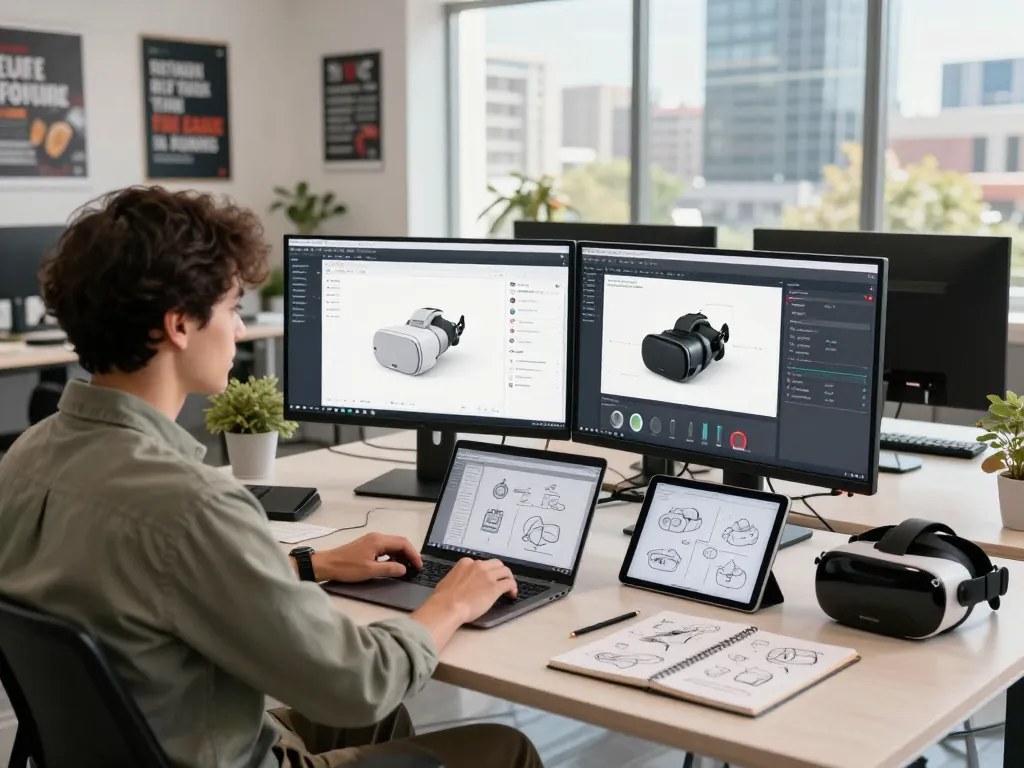
The Growing Importance of 3D Product Configurator Software
In today’s competitive eCommerce landscape, offering personalized experiences is no longer an option; it’s a necessity. Businesses are increasingly turning to 3D product configurator software to enhance customer engagement and improve conversion rates. This innovative technology allows customers to visualize and customize products in a three-dimensional space, providing a unique shopping experience that traditional images cannot replicate. Understanding the role of 3D configurators is key for brands looking to stand out in a saturated market.
Understanding 3D Product Configurators and Their Benefits
3D product configurators are interactive tools that enable users to design and customize products in real-time. Whether it’s furniture, automotive, or fashion, these configurators allow customers to alter colors, sizes, materials, and features with immediate visual feedback. The benefits of utilizing 3D configurators include:
- Enhanced User Engagement: Users can interact with products, leading to a more immersive experience.
- Reduced Returns: By enabling customization, customers are more likely to receive exactly what they want, decreasing the likelihood of returns.
- Increased Sales: High levels of engagement can lead to higher conversion rates, as customers are more invested in customized products.
Key Trends Shaping the Future of Product Customization
As technology continues to advance, several trends are emerging in the realm of product customization:
- Integration with Augmented Reality (AR): AR allows customers to visualize products in their environment, creating a more tangible shopping experience.
- Artificial Intelligence Enhancements: AI helps improve customer recommendations in real-time, tailoring products to individual preferences.
- Mobile Compatibility: As more users shop via mobile devices, having 3D configurators optimized for smartphones is becoming essential.
How 3D Configurators Enhance User Experience and Sales
3D configurators are not just tools but powerful assets that significantly improve user experience. By allowing customers the freedom to visualize their choices, brands can create a deeper emotional connection. Moreover, configurators facilitate brand storytelling by letting customers see the benefits and features of the product in a detailed manner. This level of interaction can boost user satisfaction, leading to repeat purchases and brand loyalty.
Best Practices for Implementing 3D Product Configurator Software
Choosing the Right Software for Your Business Needs
Selecting a 3D configurator solution requires careful consideration. Businesses should evaluate software that fits their specific needs, including scalability, ease of use, and integration with existing platforms. Look for providers that offer robust customization options and flexibility to adapt to future trends in product personalization.
Integrating 3D Configurators into Your eCommerce Platform
Integration is a crucial step in leveraging 3D configurator technology. Ensure that your eCommerce platform supports seamless integration with the configurator software. A cohesive system will enhance user experience, making navigation and customization intuitive for customers.
Optimization Strategies for Seamless User Interaction
To maximize the effectiveness of 3D configurators, implement optimization strategies such as:
- Streamlined User Interface: Maintain a clean and simple interface that facilitates easy interaction.
- Speed and Performance: Optimize loading times to prevent user frustration and abandonment.
- Responsive Design: Ensure the configurator works flawlessly across all devices.
Designing Engaging 3D Configurator Experiences
Creating User-Friendly Interfaces for Customization
A user-friendly interface is critical for success. It should guide users through the customization process without overwhelming them. Consider including tutorial prompts or a help section to assist users in navigating the configurator.
Incorporating Real-Time Visualization and Feedback
Real-time visualization is one of the primary advantages of a 3D configurator. Users want to see changes in real-time as they customize their products. Integrating this feature can significantly enhance user satisfaction and reduce the chances of order errors.
Utilizing Augmented Reality for Enhanced Product Interaction
Augmented reality can take user engagement to the next level. It allows users to place 3D models of products in their physical space, offering them a realistic view of how the product would fit into their environment. This feature is particularly useful in industries like furniture and home decor.
Real-World Applications of 3D Product Configurator Software
Case Studies: Successful Implementations Across Industries
Numerous companies have successfully implemented 3D configurators to great effect:
- Automotive: Brands like BMW use configurators to allow customers to customize their vehicles, enhancing the buying experience.
- Furniture: IKEA’s Place app utilizes AR and configurators to help customers visualize products in their home.
- Fashion: Companies like Nike allow customers to design their shoes, fostering a sense of ownership and uniqueness.
Lessons Learned from Leading Companies in Customization
Leading companies in customization have learned the importance of continual iteration and user feedback in refining their 3D configurator tools. Engaging with users to understand their pain points can provide crucial insights for improvements.
Innovative Use Cases for Specific Markets and Products
Different industries have unique needs when it comes to product customization. For instance, the beauty industry is now leveraging customizable packaging options where customers can select colors, materials, and even graphics to create their personalized products.
Future Trends in 3D Product Configuration and Technology
Predictions for 2026 and Beyond
Looking ahead to 2026, we can expect to see even greater integration of AI into 3D configurators, enhancing the personalization experience. Additionally, the rise of VR technology will likely provide opportunities for customers to immerse themselves in fully interactive environments where they can visualize products before even thinking of making a purchase.
Emerging Technologies Complementing 3D Configurators
Technologies such as blockchain may come to play a role in ensuring product authenticity and ownership as customization options increase. Similarly, advancements in machine learning could further personalize product recommendations based on user behavior.
Preparing Your Business for Future Developments in Customization
To stay ahead in the evolving landscape of product customization, businesses must remain agile, willing to adopt new technologies that enhance their offerings. Investing in training for teams on emerging technologies and maintaining a focus on customer experience will be crucial in preparing for the future.