Understanding Used Car History Checks
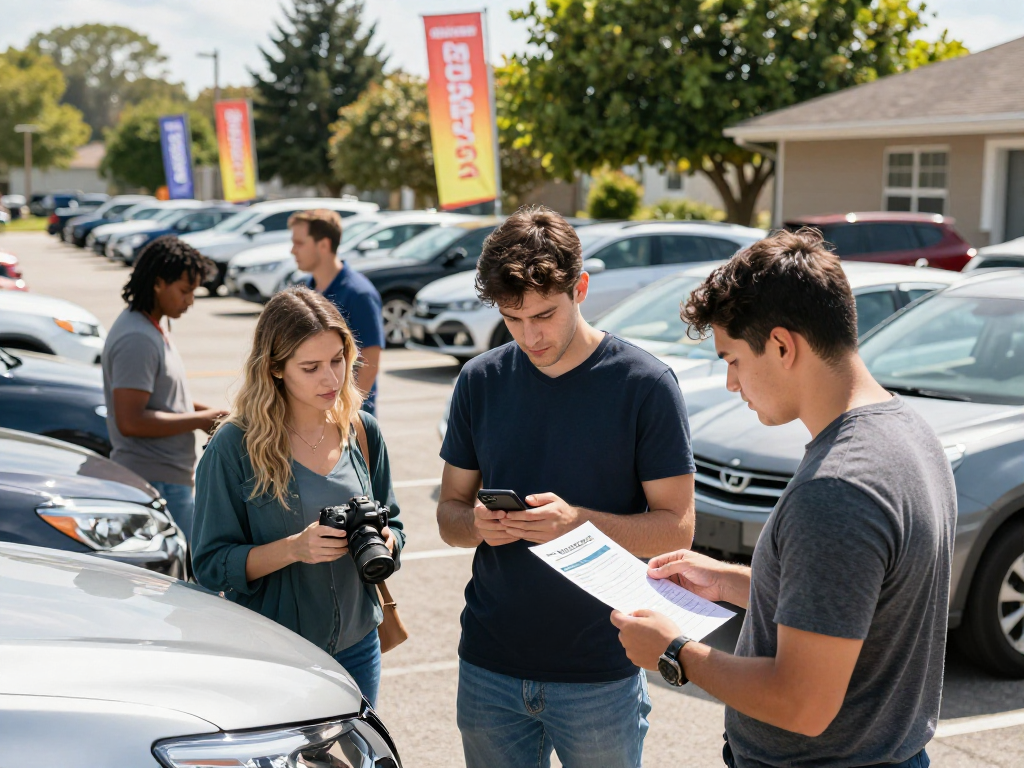
Purchasing a used car can be a daunting task. With so many vehicles on the market, buyers often find themselves grappling with uncertainty regarding their potential purchase's integrity and reliability. This is where a used car history check comes into play, serving as a vital tool for informed decision-making. It is essential to understand not only what these checks entail but also the importance they hold in the car-buying process.
What is a Used Car History Check?
A used car history check is a comprehensive report that provides critical information about a vehicle's past. This report typically includes details such as previous ownership, mileage records, accident history, and service records. The goal of this check is to help potential buyers assess the risks associated with purchasing a used vehicle, ensuring they are making a well-informed decision.
The Importance of Vehicle History Reports
Vehicle history reports serve a significant purpose in the used car market. They help to reveal any hidden issues that a seller may not disclose, such as major accidents, title discrepancies, or odometer fraud. By having access to this vital information, buyers can avoid potential pitfalls that could lead to expensive repairs down the line. Moreover, a clean vehicle history can enhance a used car's resale value, making it an essential factor for both buyers and sellers.
Common Misconceptions about Checks
Despite their importance, some common misconceptions persist about used car history checks. One prevalent myth is that these reports are always 100% accurate. While they provide valuable insights, they rely on data from various sources, and missing information can occur. Additionally, some individuals believe that checking a vehicle's history is an unnecessary expense. However, investing in a vehicle history report can save buyers from costly mistakes, making it a crucial step in the purchasing process.
Key Components of Vehicle History Reports
Accident Histories and Repairs
One of the primary components of a vehicle history report is its accident history. This section outlines any reported accidents the vehicle has been involved in, including the severity of the damage and the nature of the repairs conducted. Understanding the accident history helps buyers gauge the potential impact on the vehicle's performance and safety.
Ownership Records and Titles
Ownership records provide buyers with insights into how many individuals have owned the vehicle and whether it has ever been salvaged or rebuilt. A clear title indicates no existing liens or judgments against the car, which is paramount for ensuring a legitimate transaction.
Odometer Readings and Lien Status
Accurate odometer readings are crucial for assessing a vehicle's mileage and overall wear. Reports will typically flag any discrepancies, which may indicate odometer fraud. Additionally, lien status reveals any financial obligation tied to the vehicle, ensuring that the sale is clear of encumbrances.
How to Conduct a Thorough Used Car History Check
Top Tools and Resources for Buyers
Several tools and platforms offer used car history checks, with well-known services like Carfax and AutoCheck leading the industry. These platforms compile extensive databases and provide detailed insights into a vehicle's past. Buyers can also search for information through local DMV records or independent vehicle inspection services for additional verification.
Interpreting Report Data Effectively
Understanding the data within a vehicle history report is essential. Buyers should familiarize themselves with the various terms and sections in the report. Highlighted points may include title status, accident history, service records, and any other significant events that could influence the vehicle's value or safety.
When to Seek Professional Assistance
If a report reveals concerning issues, seeking professional help from a mechanic or body shop can provide clarity. A thorough inspection can help determine the extent of any damage and provide buyers with peace of mind regarding their potential purchase.
Trends in Used Car History Verification for 2026
Emerging Technologies and Their Impact
As technology continues to evolve, so too do the methods used for vehicle history verification. By 2026, advancements in artificial intelligence and machine learning are expected to enhance the accuracy and speed of vehicle history checks. These technologies could enable faster data collection and analysis, offering buyers more comprehensive reports in real time.
The Role of Blockchain in Vehicle History
Blockchain technology is poised to revolutionize how vehicle history is recorded and verified. By ensuring immutable records of ownership and service history, blockchain can provide buyers with a transparent and indisputable account of a vehicle's past, significantly reducing the chances of fraud.
Consumer Awareness and Education Initiatives
As consumers become increasingly aware of the importance of vehicle history checks, education initiatives will play a critical role in shaping informed buyers. Workshops, online resources, and community outreach programs are expected to grow, helping to demystify the used car buying process and emphasizing the necessity of thorough history checks.
Frequently Asked Questions about Used Car History Checks
How accurate are used car history checks?
While vehicle history checks provide valuable information, they may not encompass every detail of a vehicle's history. Reports rely on data from various sources, so discrepancies can occur. It's important for buyers to consider these reports as one piece of a larger puzzle when assessing a vehicle.
What should I look for in a vehicle history report?
Key factors to consider include accident history, title status, service records, and mileage discrepancies. A thorough review of these elements can provide insights into the vehicle's reliability and safety.
Are there any free resources for checking car history?
While many comprehensive vehicle history reports come at a cost, some free resources exist. Websites like the National Highway Traffic Safety Administration (NHTSA) offer basic information on recalls, while local DMV offices may provide title information at no charge.
How often should I check a car's history before purchase?
It's advisable to check a car's history each time before making a purchase. This includes verifying details when considering different vehicles, as well as reviewing the report again just before the sale to ensure no new issues have arisen.
What do I do if I find discrepancies in the report?
If discrepancies arise in a vehicle history report, it's crucial to address them before finalizing a purchase. Buyers should reach out to the seller for clarification and consider getting a professional inspection of the vehicle to assess any potential issues.