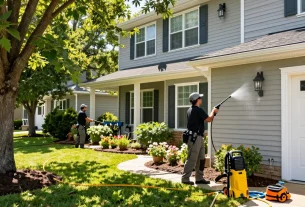

Understanding the Bed Bug Problem in Milwaukee
The presence of bed bugs in homes can be an alarming issue, particularly in urban areas like Milwaukee. These pests are notorious for their ability to multiply quickly and travel easily, often making it challenging for residents to manage infestations on their own. With the rise in international travel and the movement of goods, bed bugs have made a significant comeback in recent years. Recognizing the importance of addressing this issue promptly, many homeowners seek the expertise of a bed bug exterminator to help eliminate these unwelcome guests.
What Are Bed Bugs and How Do They Infest?
Bed bugs (Cimex lectularius) are small, wingless insects that feed on the blood of humans and other warm-blooded hosts. Typically found in bedding, mattresses, and other areas where people rest, they are adept at hiding in tiny cracks and crevices during the day. Their life cycle can lead to rapid population growth; a single female can lay up to 500 eggs in her lifetime. Infestations often begin when bed bugs hitch a ride on personal belongings, luggage, or used furniture, and they can quickly spread throughout a home or building.
Common Signs of Bed Bug Presence in Homes
Identifying a bed bug infestation early can significantly impact the effectiveness of treatment. Common signs include:
- Itchy, red welts on the skin, often in a line or cluster
- Small blood stains on bedding or furniture from crushed bed bugs
- Dark, inky spots (bed bug excrement) on sheets or around sleeping areas
- Presence of bed bug eggs, eggshells, or shed skins near hiding spots
Impact of Bed Bugs on Health and Well-being
While bed bugs are not known to transmit diseases, their bites can lead to discomfort, anxiety, and insomnia. The psychological effects of an infestation can be significant, often causing stress and embarrassment among affected individuals. Furthermore, scratching at bites may result in secondary infections, complicating the situation even further. Therefore, protecting your home from these pests is essential not just for physical comfort, but also for mental well-being.
Types of Bed Bug Exterminator Treatments
Heat Treatment: A Comprehensive Approach
One of the most effective methods for eradicating bed bugs is heat treatment. This eco-friendly solution entails raising the temperature of infested areas to levels lethal for bed bugs at all life stages, including eggs. The process is thorough and often requires specialized equipment to ensure even heating throughout the habitat. Heat treatment is appealing not only for its effectiveness but also because it minimizes the use of chemical pesticides, making it safer for families and pets.
Chemical Spray Treatment Options for Long-Term Protection
Chemical treatments remain a staple in the fight against bed bugs. These treatments involve applying residual insecticides that provide lasting protection against reinfestation. Depending on the type of chemical used, these products can work for up to 120 days, creating a barrier that prevents bed bugs from returning. However, it’s critical to opt for professional application to ensure safety and effectiveness, as improper use can lead to health risks and potential resistance from the pests.
Comparing Chemical and Heat Treatments
Both heat and chemical treatments have their benefits, and the best choice depends on individual circumstances. Heat treatment is preferable for its quick results and minimal chemical exposure, whereas chemical treatments might be chosen for long-term residual effects. Some exterminators even offer combo treatments that utilize both methods for comprehensive control, addressing all potential hiding spots and ensuring thorough elimination of bed bugs.
Choosing the Right Bed Bug Exterminator in Milwaukee
Factors to Consider When Hiring Exterminators
When seeking a bed bug exterminator, there are several key factors to consider:
- Experience: Look for professionals with extensive experience in bed bug treatment specifically.
- Methods Used: Inquire about the types of treatments they offer and if they include eco-friendly options.
- Customer Reviews: Research feedback from previous clients to gauge satisfaction levels.
- Service Range: Ensure they service your specific area, including often-overlooked neighborhoods in Milwaukee.
Understanding Pricing and Service Packages
Pricing can vary widely among exterminators, and it’s essential to understand what is included in the service package. A reputable exterminator will provide a clear quote outlining the treatment methods, number of treatments required, and any guarantees or follow-up services. It’s advisable to obtain multiple quotes for comparison, but be wary of prices that seem too low, as they may indicate subpar service.
Customer Reviews and What They Reveal
Customer reviews can provide insight into the quality of service and effectiveness of treatments. Pay attention to comments regarding punctuality, thoroughness, and follow-up care. A company with consistently positive feedback and a strong reputation is more likely to deliver satisfactory results.
Preparing Your Home for Bed Bug Treatment
Steps to Take Before Exterminator Arrives
Proper preparation can significantly affect the success of bed bug treatment. Here are some steps to take before the exterminator arrives:
- Declutter the affected areas to reduce hiding spots.
- Wash and dry bed linens, clothing, and curtains on high heat.
- Vacuum carpets and floors, sealing the vacuum bag outside your home.
- Inform the exterminator of any previous treatments or known infestations.
Post-treatment Tips to Prevent Re-infestation
After treatment, it’s important to take preventative measures to avoid a repeat infestation:
- Continue to monitor your home for signs of bed bugs regularly.
- Use protective covers on mattresses and box springs.
- Be cautious when traveling; inspect hotel rooms and luggage before returning home.
- Maintain cleanliness to reduce hiding places for bed bugs.
Monitoring Effectiveness of Treatments
After treatments, monitoring the effectiveness is crucial. This can involve periodic visual inspections and awareness of any new bite signs. Some exterminators provide follow-up services to ensure that the infestation has been fully eradicated and may recommend treatments if any signs of bed bugs reappear.
Future Trends in Bed Bug Extermination
Innovations in Pest Control Technology for 2026
The pest control industry is constantly evolving, and several innovative technologies are emerging. New detection tools, such as advanced thermal imaging, can help locate bed bugs in hidden areas, leading to more efficient treatments. Additionally, integrated pest management (IPM) strategies are gaining traction, combining different methods for a more sustainable approach to pest control.
Eco-friendly Solutions Gaining Popularity
As awareness of environmental issues increases, eco-friendly pest control solutions are becoming more prevalent. Treatments that minimize chemical usage or employ natural substances are not only safer for families and pets but also mitigate the impact on the environment. Homeowners are increasingly seeking out extermination companies that offer green alternatives.
Expert Predictions on Bed Bug Challenges
Experts predict that bed bug challenges will persist, especially as people continue to travel and share spaces. This ongoing demand reinforces the need for effective and professional treatment solutions. Understanding the behavior and biology of bed bugs will be crucial for exterminators to stay ahead of potential infestations.
What to Expect from Exterminators?
When engaging a bed bug exterminator, clients should expect a thorough inspection, a detailed explanation of treatment options, and a personalized plan. Professionals should provide clear guidance on how to prepare for treatment, as well as post-treatment instructions to prevent re-infestation. Furthermore, transparency in pricing and services is essential.
When Should You Schedule Follow-up Treatments?
Follow-up treatments may be necessary depending on the severity of the infestation and the treatment method used. It’s generally advisable to schedule a follow-up within a few weeks after initial treatment to ensure that all pests have been eradicated. Regular monitoring and communication with your extermination service will help you determine the best timing for any necessary follow-ups.