
Understanding Colonial Home Construction
Colonial home construction is a style that captivates many with its rich history and architectural elegance. Originating during early American colonial periods, these homes bring together simplicity and functionality, making them timeless pieces of art. Whether you’re considering building a new colonial home or renovating an existing one, understanding the key features and historical context is essential. In this guide, we will explore various aspects of colonial home construction, helping you navigate through the different stages, from planning to maintaining your home. For more information on colonial home construction, you can check colonial home construction.
Definition and History of Colonial Homes
Colonial homes, characterized by their symmetrical facades and classic rooflines, reflect a period of architectural evolution that began in the 1600s. These homes often feature a rectangular shape, a central front door, and evenly spaced windows. Steeped in tradition, colonial architecture was heavily influenced by the styles brought by early European settlers, particularly the English, Dutch, and Spanish. Each group contributed unique elements, resulting in diverse colonial sub-styles such as Georgian, Federal, and Cape Cod.
Colonial homes were not just about aesthetics; they were also designed to accommodate the lifestyle and environment of early settlers. Practical considerations such as materials available locally and the need for sustainable living practices shaped these homes, creating structures that were both beautiful and functional.
Key Architectural Features
Colonial homes often embody a number of distinctive architectural features:
- Symmetry: A hallmark of colonial design, featuring balanced windows, doors, and rooflines that provide a sense of order and harmony.
- Materials: Traditional colonial homes were constructed using wood, brick, or stone, reflecting the resources available in the region.
- Windows: Multi-pane sash windows were commonplace, often arranged in sets of three for a pleasing aesthetic.
- Chimneys: Prominent, sometimes double-sided chimneys were essential for the heating and cooking functions of the home.
- Roof Design: Gable roofs, often steeply pitched, allowed for effective rain runoff and provided space for attics.
Benefits of Colonial Home Design
Choosing a colonial home design comes with numerous benefits that extend beyond their aesthetic appeal:
- Timelessness: The classic look of colonial homes ensures they remain desirable over decades.
- Energy Efficiency: Their thick walls and large roofs can support effective insulation, helping maintain temperature control.
- Increase in Property Value: Colonial homes often appreciate well over time, making them a smart investment.
- Community Appeal: Many neighborhoods boast a sense of charm and cohesiveness with colonial homes contributing to overall character.
Planning Your Colonial Home Construction Project
Planning is crucial to the successful construction of your colonial home. From choosing the right location to budgeting appropriately, here are the key considerations:
Choosing the Right Location
The location of your colonial home can dramatically influence its value, livability, and appeal. Factors to consider include:
- Access to Amenities: Proximity to schools, parks, shopping, and other amenities enhances your quality of life and the property’s value.
- Environmental Considerations: Check for natural hazards, such as floods or earthquakes, and consider how they might affect construction and long-term living.
- Community and Aesthetics: Choose a neighborhood that complements the architectural style of a colonial home to maintain community charm.
Budgeting for Colonial Home Construction
Constructing a colonial home can be a costly endeavor. It’s crucial to set a realistic budget that includes:
- Land Costs: The price of the land will significantly impact your overall budget.
- Construction Costs: Factor in labor, materials, and any special features unique to colonial architecture.
- Interior Design: Don’t forget to allocate funds for furnishing and decorating to highlight the home’s charm.
- Contingencies: Always set aside at least 10-15% of your budget for unforeseen circumstances that may arise during construction.
Essential Permits and Regulations
Before breaking ground on your colonial home, it’s essential to understand the permits and regulations applicable in your area:
- Building Permits: Most municipalities require building permits to ensure safety and compliance with zoning laws.
- Historical Preservation Rules: If your project is in a historically significant area, you may need to adhere to strict guidelines regarding construction and design.
- Environmental Regulations: Ensure your construction plans consider local environmental protections and regulations.
Materials and Techniques in Colonial Home Construction
The materials and techniques you choose will significantly impact the durability, aesthetics, and energy efficiency of your colonial home:
Common Building Materials
Popular materials for colonial home construction include:
- Wood: Often used for both structural elements and finishes, wood provides aesthetic warmth and insulation but requires proper treatment to prevent rot and insects.
- Brick and Stone: These materials are favored for their durability and low maintenance and often used in foundations and exterior walls.
- Plaster: Traditional colonial interiors often feature plaster walls for a classic look and improved insulation.
Traditional vs. Modern Techniques
While traditional techniques focus on handcrafted details and local materials, modern techniques leverage technology and efficiency:
- Traditional Methods: Crafted woodwork, hand-laid brick, and attention to local architectural styles.
- Modern Techniques: Prefabrication, advanced insulation methods, and modern engineering to ensure structural integrity and energy efficiency.
Insulation and Energy Efficiency
Incorporating energy-efficient practices into colonial home construction can significantly reduce long-term costs:
- Insulation Techniques: Techniques such as spray foam insulation can improve energy efficiency while maintaining the historical character of colonial homes.
- Energy-Efficient Windows: Consider double-glazed windows that mimic traditional styles while offering enhanced insulation.
- Heating and Cooling Systems: Invest in modern, energy-efficient HVAC systems that can seamlessly integrate into colonial home designs.
Designing Your Colonial Home Interior
The interior design of a colonial home should reflect its classic architecture while also meeting modern needs:
Creating Functional Spaces
When designing the interior of your colonial home, consider how to maximize functionality:
- Open vs. Closed Floor Plans: Colonial homes traditionally feature closed floor plans; however, incorporating open concept spaces can enhance flow while maintaining distinct areas.
- Room Layout: Plan for practical flow between common areas like kitchens, living rooms, and dining areas.
- Multi-Use Spaces: Create rooms that can serve dual purposes, such as an office that doubles as a guest room.
Choosing Interior Design Styles
To highlight the beauty of colonial architecture, the interior design should complement the style:
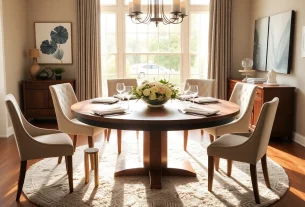
- Traditional Decor: Opt for classic furnishings, like wingback chairs, antique tables, and period-appropriate artwork.
- Modern Twists: Combine traditional styles with contemporary elements, such as sleek lines and vibrant colors, for an updated look.
- Color Palettes: Use muted, earthy tones to retain authenticity, or experiment with brighter shades to modernize the space.
Maximizing Natural Lighting
Natural light plays a crucial role in enhancing the ambiance of your colonial home’s interior:
- Window Placement: Strategically position windows to allow light to flow into living spaces without sacrificing privacy.
- Light Colors: Use light-colored paint and furnishings to reflect more light, creating an open and airy feel.
- Reflective Surfaces: Integrate mirrors and glossy finishes in your decor to enhance light distribution.
Maintaining Your Colonial Home
Proper maintenance is vital to preserve the integrity and beauty of your colonial home:
Routine Maintenance Tips
Establishing a regular maintenance routine can prevent costly repairs:
- Inspect the Roof: Regularly check for loose shingles or signs of wear to prevent leaks.
- Clean Gutters: Ensure proper drainage by keeping gutters clear of debris.
- Check for Pests: Regular pest inspections can help safeguard wood structures and finishes.
Long-Term Preservation Strategies
Implementing strategies to preserve your home can enhance longevity and value:
- Periodic Restoration: Invest in restoration instead of renovations to maintain historical accuracy.
- Quality Paints: Use high-quality, breathable paints to protect exterior surfaces and ensure they can withstand the elements.
- Climate Control: Utilize systems that regulate humidity to protect wood and other sensitive materials.
Renovation Ideas for Modern Needs
Adapting your colonial home to meet modern needs doesn’t necessitate sacrificing its charm:
- Kitchen Upgrades: Consider modern appliances and open layouts while preserving traditional cabinetry.
- Bathroom Modernization: Incorporate luxury elements while maintaining classic features, such as clawfoot tubs.
- Tech Integration: Smart home technologies can be integrated subtly, preserving aesthetics while improving function.
FAQs
1. What defines a colonial home?
A colonial home is characterized by its symmetrical shape, central front door, and evenly spaced windows. It often features steep roofs and a classic facade reflecting historical construction methods.
2. What are common colonial home styles?
Common styles include Georgian, Federal, and Cape Cod. Each has unique characteristics but maintains the symmetry and formal design essential to colonial architecture.
3. How can I ensure my colonial home is energy-efficient?
Incorporating modern insulation methods, energy-efficient windows, and proper HVAC systems can significantly enhance a colonial home’s energy efficiency while preserving its historical charm.
4. What are the key considerations for colonial home maintenance?
Regular roof inspections, gutter cleaning, pest control, and applying quality paints are essential for maintaining a colonial home and preserving its structural integrity.
5. Is it possible to modernize my colonial home while retaining its character?
Yes, you can modernize your home by updating appliances and layouts while keeping traditional finishes and details, thus preserving the home’s historical charm.