
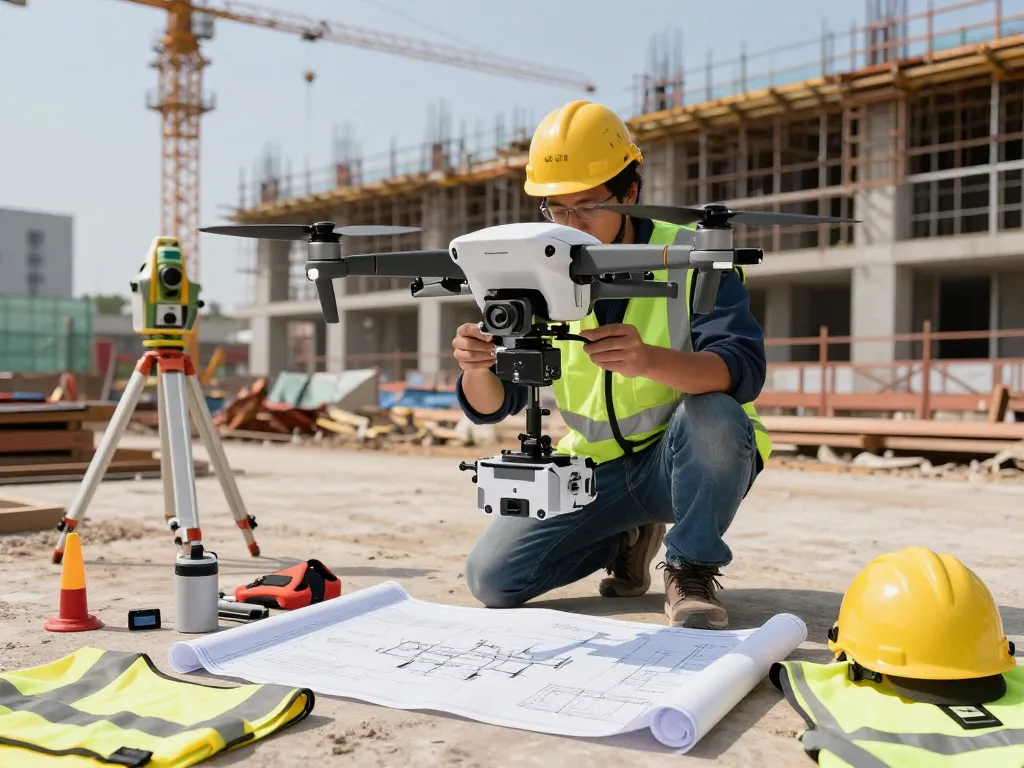
Understanding Rilievi con Drone in Civil Engineering
The integration of drones into civil engineering has revolutionized the ways in which projects are planned, executed, and monitored. Known as rilievi con drone, these aerial surveys allow for the collection of high-resolution data that is both reliable and efficient. With the capability to minimize both time and costs, drones are quickly becoming an essential tool for professionals in the construction sector.
What are Rilievi con Drone?
Rilievi con drone, or drone surveys, refer to the process of using unmanned aerial vehicles (UAVs) equipped with specialized cameras and sensors to capture detailed images and data of construction sites. These drones can fly at various altitudes to collect photographic and geolocation data, which can then be processed using photogrammetry to create accurate 3D models and maps of the surveyed area.
The advent of this technology marks a significant enhancement over traditional surveying methods, which often require extensive manpower and time. Drones can operate in challenging environments, reducing the risk associated with human involvement in hazardous areas. They are equipped to gather information such as site topography, land use, and structural measurements efficiently and with a high degree of accuracy.
Benefits of Using Drones in Construction
- Cost Efficiency: Drone surveys drastically reduce the need for extensive labor and equipment, leading to lower overall costs.
- Time Savings: Data collection is completed significantly faster than traditional methods, allowing for quicker project turnaround.
- High Accuracy: With precision measurements that can achieve accuracy levels of up to 1.5 cm/pixel, drone technology ensures data reliability for project planning.
- Safety: Drones minimize the need for personnel in potentially dangerous environments, enhancing overall workplace safety.
- Detailed Data Collection: Drones can gather a variety of data types, from high-definition images to thermal data, which can be used for different applications.
Common Applications in Civil Engineering
In the field of civil engineering, drone technology has a wide array of applications, such as:
- Site Surveys: Conducting preliminary surveys of construction sites to establish baseline measurements and topographical data.
- Progress Monitoring: Regularly monitoring construction progress by capturing data at various stages which helps to ensure projects stay on schedule.
- Inspection of Hard-to-Reach Areas: Utilizing drones to inspect roofs, bridges, and high structures without the need for scaffolding or ladders.
- Stockpile Measurement: Accurately measuring stockpiles of materials to keep track of inventory and manage resources effectively.
- Environmental Impact Studies: Gathering data on natural resources and assessing environmental changes over time.
Key Technologies Behind Drone Surveys
Photogrammetry and Its Importance
Photogrammetry is a crucial element in the processing of data collected from drone surveys. This technique involves capturing overlapping images of the surveyed area from different angles, which allows software to create detailed 3D models and maps. The accuracy of photogrammetry relies heavily on the quality of the images captured and the algorithms used to stitch them together.
Modern drones come equipped with high-resolution cameras and advanced imaging technologies that significantly enhance photogrammetric results. The ability to process these images rapidly enables engineers to visualize the area more clearly, leading to informed decision-making during the design and construction phases.
Choosing the Right Equipment
When selecting a drone for civil engineering applications, it’s essential to consider factors such as payload capacity, flight range, and camera specifications. For example, drones equipped with LiDAR technology can provide accurate elevation data, while those with high-resolution RGB cameras can produce stunning visualizations necessary for presentations and reports.
Additionally, the operational range of the drone is important for larger projects, ensuring it can cover substantial distances without losing signal or battery power. Knowing the requirements of the specific project will greatly aid in selecting the appropriate drone model.
Software Solutions for Data Processing
Data collected from drone surveys require specialized software for processing and analysis. Solutions like Pix4D, Agisoft Metashape, and Autodesk Recap facilitate the transformation of raw aerial images into usable data formats. These platforms assist civil engineers in creating orthomosaics, generating 3D models, and performing volume calculations, among other tasks.
Investing in the right software is crucial for maximizing the benefits of drone surveys and ensuring data reliability. Training sessions and workshops can help teams become proficient in using these tools effectively.
Practical Implementation of Drone Surveys
Conducting Efficient Drone Surveys
To execute efficient drone surveys, careful planning is vital. This includes scouting the area beforehand to determine the best flight paths, setting appropriate altitude levels, and scheduling flights when weather conditions are optimal. It’s also essential to comply with local regulations regarding drone operations.
Proper pre-flight checks and understanding the drone’s controls will contribute to a successful survey. Utilizing automated flight paths can improve efficiency and ensure comprehensive data collection across the intended area.
Data Collection Best Practices
Adhering to best practices during data collection can yield higher quality results. Operators should ensure that the drone flies at the proper altitude and speed to capture overlapping images, which is essential for creating accurate models. Keeping track of battery life and maintaining communication with the drone are also critical for avoiding mishaps.
Regularly inspecting the drone’s components before flights helps maintain operational integrity, ensuring consistent performance during the survey.
Real-World Case Studies
Several organizations have successfully integrated drone technology into their project workflows. For instance, a construction firm might use drone surveys to monitor the progress of a large-scale infrastructure project, conducting weekly flights to compare the current state of the site with planned milestones. Such proactive monitoring allows teams to identify potential delays and adjust timelines accordingly.
Another example includes environmental assessments where drones gather critical data for land use studies, enabling developers to make informed decisions that consider ecological impacts. These successful implementations underscore the growing importance of drone technology in civil engineering.
Challenges and Solutions in Drone Surveying
Common Obstacles in Implementation
Despite their numerous advantages, drone surveys face several challenges. One of the primary obstacles is the regulatory landscape. Different countries have varying regulations that govern drone operations, including altitude restrictions, no-fly zones, and operator certifications. Navigating these regulations can be cumbersome, especially for companies operating across multiple regions.
Moreover, technical limitations such as battery life and signal loss during flight can disrupt operations and affect data quality. Adopting drones with longer battery lives and implementing robust communication systems can help mitigate these challenges.
Regulatory Considerations
It’s essential for companies to stay abreast of the regulations governing drone flights in their area. This may involve obtaining licenses, adhering to safety protocols, and ensuring that operators are trained and certified. By proactively addressing regulatory compliance, businesses can avoid fines and project delays.
Overcoming Technical Limitations
To overcome technical limitations, companies can invest in higher-end drone models that are designed for professional use. These drones often come equipped with enhanced features such as longer flight durations, superior GPS capabilities, and advanced imaging systems. Regular maintenance and updates also play a key role in ensuring drones perform optimally in the field.
Future Trends in Rilievi con Drone
Emerging Technologies and Innovations
The future of drone technology in civil engineering looks promising, with several advancements on the horizon. Innovations like AI-powered analytics provide the ability to process vast amounts of data more efficiently, allowing for the predictive modeling of project outcomes. Furthermore, the integration of drones with 5G technology promises enhanced connectivity and real-time data transmission, which will significantly improve operational efficiencies.
Impact on Project Management in 2026
By 2026, the impact of drones on project management will likely reach unprecedented levels. Enhanced data analytics will enable project managers to make more informed decisions, anticipate challenges, and respond proactively to changes on-site. This agility can lead to reduced project durations and increased cost savings.
Preparing for the Future of Drone Technology in Construction
To prepare for the future, civil engineering firms should consider investing in their workforce’s training on emerging drone technologies. Ensuring teams are skilled in the latest software and data processing methods will help maintain a competitive edge in the ever-evolving market. Additionally, collaboration with technology providers can offer insights into the latest advancements and best practices for implementation.
What are the advantages of drone surveying?
Drone surveying provides numerous advantages, including cost efficiency, time savings, high accuracy, and enhanced safety. The ability to collect diverse types of data also allows for comprehensive site assessments that improve project outcomes.
How accurate are drone surveys in construction?
The accuracy of drone surveys can reach up to 1.5 cm/pixel, making them a reliable tool for civil engineering applications. This precision ensures that the data used for planning and execution is both dependable and actionable.
Can drones be used for environmental monitoring?
Yes, drones are increasingly being utilized for environmental monitoring, providing critical data on land use, ecological changes, and resource management. This capability adds significant value to projects that involve sustainability considerations.
What is the cost of using drones for surveying?
The cost of drone surveying can vary depending on the complexity of the project, the equipment used, and the specific services required. However, the overall reduction in labor and time often results in significant cost savings compared to traditional surveying methods.
Are there specific training requirements for drone operators?
Yes, drone operators typically need to undergo specific training and obtain certifications that comply with local regulations. This training ensures that they are knowledgeable about safe flying practices, data collection techniques, and regulatory compliance.