Understanding Kling Motion AI and Its Capabilities
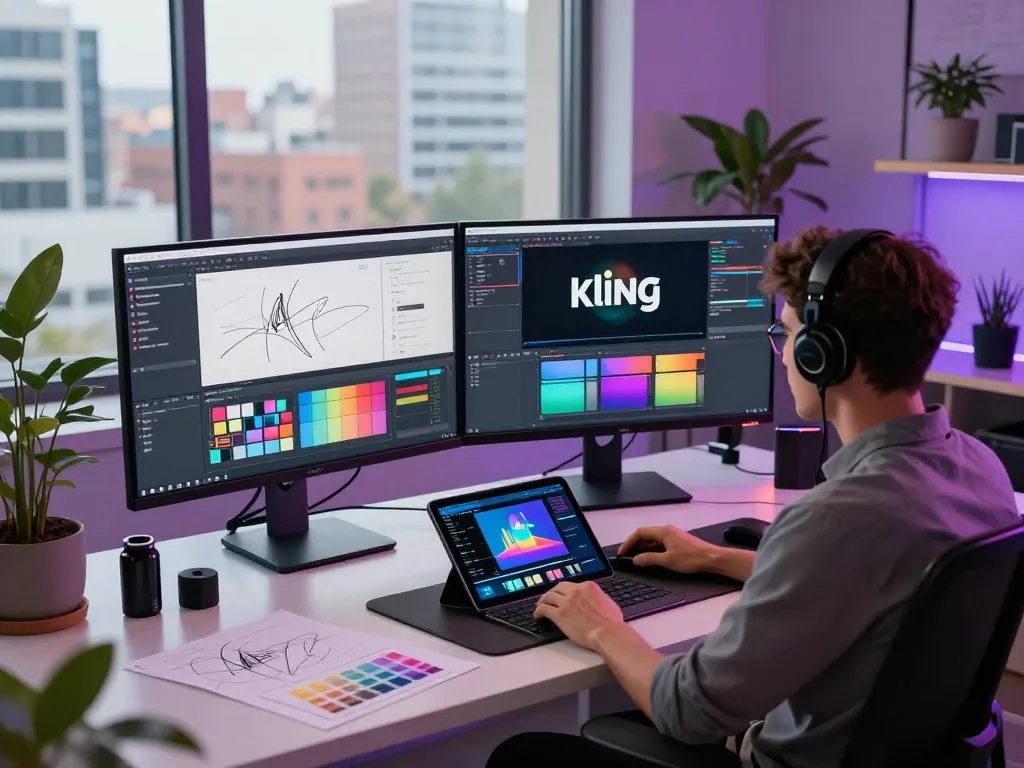
Kling Motion AI represents a revolutionary advancement in video creation technology, providing creators with unparalleled tools for transforming static images into dynamic, high-quality videos. By leveraging artificial intelligence, this powerful platform empowers users to create engaging, photorealistic animations that capture the nuances of human motion and emotion. When exploring options, Kling motion ai offers comprehensive insights that can enhance creative workflows across various industries, from marketing to film production.
What is Kling Motion AI?
Kling Motion AI is an innovative artificial intelligence system designed to convert images into lively video clips. Utilizing advanced algorithms and deep learning techniques, it analyzes motion patterns from reference videos and applies them to uploaded static images. This process allows creators to produce animations that maintain the integrity of character identity, ensuring that features and proportions remain consistent throughout the video.
Key Features and Innovations of Kling Motion AI
- Accurate Motion Path Control: Users can define precise motion paths for characters, ensuring every action follows the intended direction and timing.
- Reliable Character Identity Preservation: The system prevents visual drift and identity distortion, making sure the character’s appearance stays consistent across frames.
- Photorealistic Output: Kling Motion AI delivers high-resolution videos with realistic lighting and textures, replicating the quality of traditional CGI without complex workflows.
- Advanced Control for Complex Actions: Create intricate movements, like Tai Chi or dance routines, with seamless synchronization and realism.
How Kling Motion AI Compares to Other Solutions
Compared to other image-to-video models available currently, Kling Motion AI stands out because of its unique focus on preserving character identity and achieving photorealistic results. While many systems may struggle with maintaining consistent appearances during video generation, Kling Motion AI’s sophisticated architecture minimizes these challenges, making it a top choice for creators looking for quality and reliability.
Getting Started with Kling Motion AI
For anyone eager to tap into the potential of Kling Motion AI, understanding how to navigate its platform is essential. From setting up your workspace to uploading images and reference videos, mastering the basics will allow you to make the most out of this powerful tool.
Setting Up Your Workspace for Optimal Use
Your journey with Kling Motion AI begins with a well-organized workspace. Ensure that you have a high-quality computer with a fast processor and ample RAM to handle video rendering efficiently. Additionally, stable internet access is crucial for smooth uploads and downloads, especially when working with large video files.
Uploading Images and Reference Videos
To create captivating videos, you must upload both a character image and a reference video. The character image should be a full-body or half-body shot with a visible background—avoid using just portraits or headshots. The reference video is essential as it provides the motion data that Kling Motion AI will utilize to animate your static image. Aim for clips that have clear actions and consistent speed to ensure the best results.
Understanding the 3-Step Video Creation Process
- Upload Your Image: Start by selecting a high-quality image of your character. Ensure it meets the specifications for size and duration.
- Add a Reference Motion Clip: Upload a video that showcases the desired actions you wish to incorporate into your animation.
- Enhance with Text Prompts: Use descriptive text prompts to guide the AI, adding details about the atmosphere, camera behavior, or specific actions you want to feature in the final output.
Best Practices for Creating Engaging Videos
Generating compelling videos using Kling Motion AI requires attention to detail and a strategic approach. Follow these best practices to maximize your results and engage your audience.
Choosing the Right Image and Motion Clip Combinations
Selecting appropriate image and motion clip pairs is critical for ensuring realistic and engaging animations. Align the framing of your image with that of the reference video; for example, use full-body images with full-body motion clips and half-body images correspondingly. This alignment helps maintain stable character positioning and leads to a more coherent final product.
Utilizing Text Prompts for Enhanced Video Output
Leveraging text prompts allows you to fine-tune the AI’s output significantly. Be specific in your prompts by describing emotions, environments, and desired actions to guide the generated video more effectively. This additional layer of detail enhances the animation’s expressiveness and aligns better with your creative vision.
Tips for Achieving Photorealistic Results
- Maintain Consistent Lighting: Ensure that the lighting in your character image matches the lighting in your reference video to create a seamless transition.
- Use High-Quality Images: The better the original image quality, the more detail Kling Motion AI has to work with, resulting in a more realistic output.
- Consider Background Space: When using full-body shots, ensure there is sufficient background to accommodate the character’s movements without cropping or distortion during animation.
Advanced Techniques for Professional-Level Video Creation
Once you’re comfortable with the basics, it’s time to explore advanced techniques that will elevate your video creation process using Kling Motion AI.
Mastering Motion Path Control with Kling Motion AI
Understanding motion path control is essential for achieving precise animations. Utilize the platform’s features to define clear trajectories for both character movements and camera actions. This capability allows creators to maintain control over the visual storytelling, ensuring that every aspect of the animation aligns with the intended narrative flow.
Achieving Full-Body Synchronization and Realism
To craft animations that feel alive, focus on full-body synchronization. Kling Motion AI excels at matching body movements accurately, ensuring that limb actions, postures, and expressions change naturally throughout the animation. Utilize reference videos with well-defined movements to allow the AI to interpret and replicate these actions faithfully.
Incorporating Cinematic Elements into Your Videos
Enhance your animations by integrating cinematic techniques, such as dynamic camera movements, zooms, and pans. This approach not only enriches the visual experience but also helps convey emotions and narratives more effectively. Consider the pacing and rhythm of your edits to maintain engagement throughout the video.
Future Trends and Developments in Motion AI
The landscape of animation and video creation is rapidly evolving, and staying ahead of trends is crucial for creators who want to keep their work relevant and innovative.
Predictions for Kling Motion AI’s Evolution by 2026
As technology advances, we can expect Kling Motion AI to incorporate even more sophisticated features, perhaps with enhanced machine learning capabilities that allow for improved motion analysis and greater customization options. The integration of user feedback will likely lead to more intuitive interfaces that cater to both novice and expert users alike.
Emerging Technologies Influencing Video Creation
Virtual reality (VR), augmented reality (AR), and other immersive technologies are set to have a significant impact on the way videos are created and consumed. These technologies could allow for interactive elements within animations, where viewers can influence outcomes or engage differently with the content.
Preparing for the Future of Motion and AI Integration
To stay competitive in the shifting landscape, creators should focus on continuous learning and adaptation. Keeping abreast of technological advancements and experimenting with new features within platforms like Kling Motion AI will enhance creativity and innovation in video production.
What types of projects can benefit from Kling Motion AI?
Kling Motion AI can be beneficial for various projects, including social media content, advertisements, educational materials, and entertainment videos. Its versatility enables creators to engage audiences across different platforms effectively.
How quickly can I generate videos using Kling Motion AI?
Thanks to the optimized performance of Kling Motion AI, you can generate videos in minutes rather than hours, allowing for rapid iteration and content production.
Is Kling Motion AI suitable for commercial video projects?
Yes, Kling Motion AI is equipped for commercial use, making it a valuable resource for marketers, businesses, and content creators looking to elevate their visual storytelling.
What are the best image settings for optimal results?
For the best results, use high-resolution images that maintain clarity throughout the video. Ensure that images are appropriately framed and consider the lighting and background elements to facilitate a seamless animation experience.
Can I customize motion paths in Kling Motion AI?
Absolutely! Kling Motion AI provides users with the ability to define and customize motion paths, allowing for creative flexibility and precision in animations.