
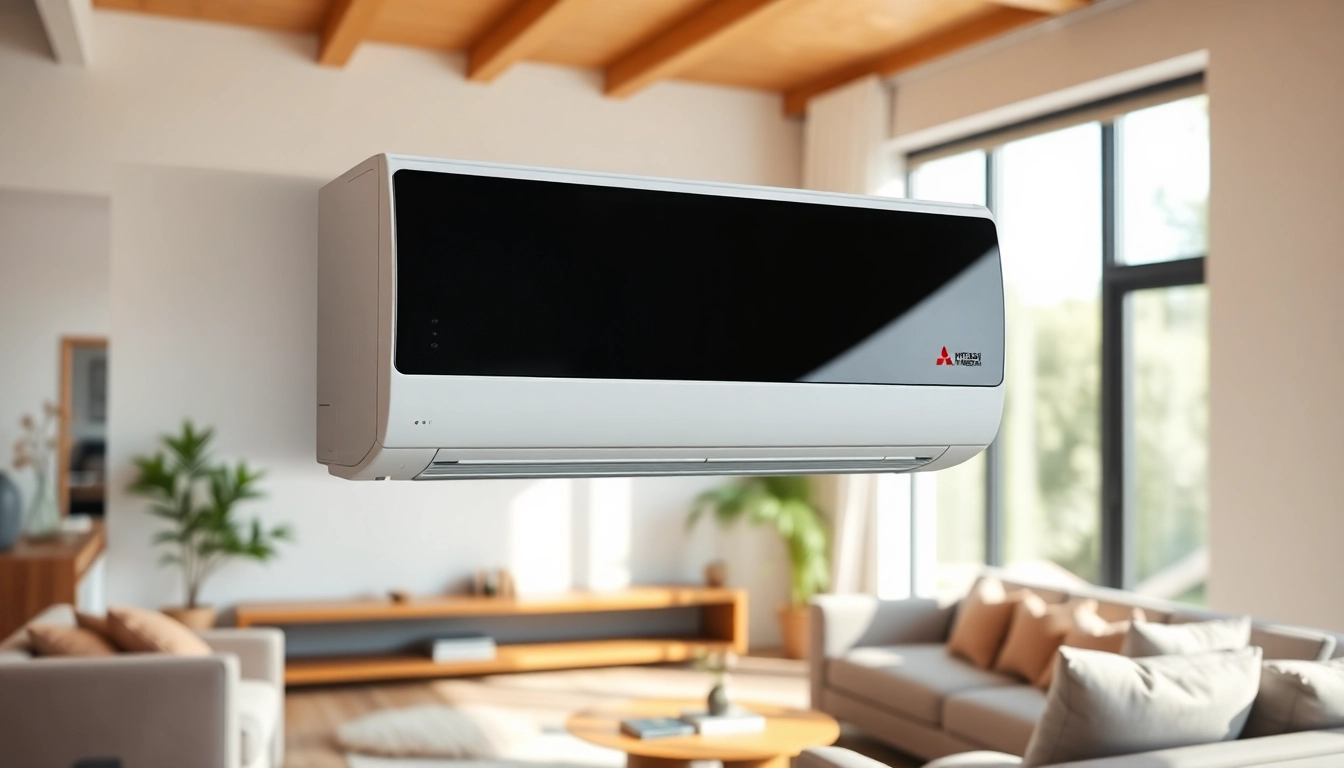
Understanding the Mitsubishi Mini Split AC System
What is a Mitsubishi Mini Split AC?
The mitsubishi mini split ac is a type of air conditioning system that provides efficient temperature control in residential and commercial spaces. Unlike traditional central HVAC units, mini splits consist of an indoor unit and an outdoor compressor unit connected by refrigerant lines. This configuration allows for targeted cooling, making it ideal for rooms that may not require full-scale air conditioning, providing significant flexibility and energy savings.
Key Advantages of Mitsubishi Mini Split AC
The Mitsubishi mini split AC system offers numerous advantages, making it an appealing choice for both homeowners and businesses:
- Energy Efficiency: Mini splits have higher Seasonal Energy Efficiency Ratios (SEER) than traditional systems, allowing for lower energy bills.
- Flexible Installation: Since there’s no ductwork needed, installation can be quicker and less invasive. They can be wall-mounted, ceiling-mounted, or even floor-mounted, fitting into various spaces.
- Zoned Cooling: Multiple indoor units can be connected to a single outdoor unit, allowing for customized temperature settings in different rooms or zones.
- Quiet Operation: The outdoor unit is typically much quieter than traditional air conditioning systems, leading to a more comfortable indoor environment.
- Advanced Filtration: Many models include advanced air filtration systems that improve indoor air quality by reducing dust, allergens, and other pollutants.
Components of the Mitsubishi Mini Split AC System
Understanding the components of a Mitsubishi mini split AC system is essential for both installation and maintenance. Here are its key parts:
- Indoor Unit: This unit is installed inside the room and is responsible for blowing cool air. It typically contains a fan, evaporator coil, and air filter.
- Outdoor Unit: The outdoor unit houses the compressor, condensing coil, and fan. It is responsible for expelling the heat absorbed from indoors.
- Refrigerant Lines: These insulated pipes transport the refrigerant between the indoor and outdoor units.
- Drainage Pipe: This pipe removes condensation from the indoor unit, ensuring proper moisture management.
- Remote Control: Most systems come with a remote control, enabling easy adjustment of temperature and fan settings without needing to access the unit directly.
Installation Best Practices for Mitsubishi Mini Split AC
Choosing the Right Location
Selecting the right location for your Mitsubishi mini split AC is vital for maximizing its efficiency. The indoor unit should be installed where it can evenly distribute air throughout the room while avoiding direct sunlight or heat sources. The outdoor unit should be placed on a stable surface with adequate airflow and away from obstructive structures or debris. This ensures optimal performance and longevity of the system.
Tools Needed for Installation
Before starting the installation, gather the necessary tools, including:
- Drill and drill bits
- Refrigerant wrench
- Level
- Pipe cutter
- Wire cutter/stripper
- Measuring tape
- Vacuum pump
- Manifold gauge set
Step-by-Step Installation Guide
Installing a Mitsubishi mini split AC requires following several key steps:
- Install the Indoor Unit: Mark the mounting location on the wall, ensuring access to power. Drill holes for the refrigerant lines and drainage pipe.
- Mount the Indoor Unit: Attach the mounting bracket to the wall and hang the indoor unit securely. Ensure it is level for optimal drainage.
- Connect Refrigerant Lines: Measure and cut the refrigerant lines to length. Ensure the insulation is intact and connect them to the appropriate ports on the unit.
- Install the Outdoor Unit: Place the outdoor unit on a solid ground or platform, ensuring proper airflow. Connect the refrigerant lines, drainage pipe, and electrical wiring.
- Vacuum the System: Use a vacuum pump to remove any air and moisture from the lines before connecting the refrigerant supply.
- Test the System: Turn on the power and check for leaks or issues in the system. Adjust the settings using the remote control.
Maintenance Tips for Mitsubishi Mini Split AC
Routine Maintenance Checklist
Regular maintenance is crucial to extend the lifespan and efficiency of your Mitsubishi mini split AC. Consider the following routine maintenance tasks:
- Clean or replace the air filter every few months.
- Inspect and clean the indoor and outdoor coils at least once a year.
- Check the refrigerant levels and top off as necessary.
- Inspect drainage pipes for blockages and clean them.
- Ensure the outdoor unit is free from debris and vegetation.
Common Issues and Solutions
Being aware of common issues can help you troubleshoot effectively:
- Weak Airflow: This can be caused by dirty filters or blocked ducts. Clean or replace the filters regularly.
- Inconsistent Temperature: Check for refrigerant leaks or verify the settings on the thermostat.
- Unusual Noises: Noises may indicate loose parts, debris, or motor issues. Inspect the units carefully.
- Ice Build-Up: Insufficient airflow may lead to ice formation. Clean filters and ensure the unit is not obstructed.
When to Call a Professional
Some issues require the expertise of a certified HVAC technician. Consider calling a professional if:
- You suspect major refrigerant leaks.
- The system fails to turn on after troubleshooting.
- Electrical issues or troubleshooting are beyond your comfort level.
Energy Efficiency and Cost Savings
Understanding Energy Ratings
Energy efficiency is crucial when selecting an air conditioning system. The Mitsubishi mini split AC systems are rated using SEER — the higher the SEER rating, the more efficient the unit is. A system with a SEER rating of 20 or higher is considered excellent, as it can lead to substantial cost savings over time.
How Mitsubishi Mini Split AC Saves on Utility Bills
Mitsubishi mini split AC units can significantly lower utility bills due to their efficient operation. By distributing cooled air more evenly and allowing for zoning, these systems use less energy to maintain comfort levels in various spaces of your home or business.
Tips for Maximizing Efficiency
Maximize the efficiency of your Mitsubishi mini split AC by following these tips:
- Set your thermostat to a comfortable yet efficient temperature, ideally between 75°F and 78°F in summer.
- Use timers and smart thermostats to adjust temperatures during off-peak hours.
- Ensure that all windows and doors are sealed properly to avoid air leakage.
- Utilize ceiling fans to help circulate cool air.
- Regularly maintain the unit and check refrigerant levels to avoid unnecessary strain on the system.
Frequently Asked Questions About Mitsubishi Mini Split AC
How does a Mitsubishi Mini Split AC work?
A Mitsubishi mini split AC system operates by transferring heat from inside a room to the outside. The system uses refrigerant flowing through indoor and outdoor units to absorb and release heat, effectively cooling the indoors.
What is the average lifespan of a Mitsubishi Mini Split AC?
On average, a Mitsubishi mini split AC system can last around 15 to 20 years with proper maintenance. Regular service and care will help extend its lifespan.
Can I install a Mitsubishi Mini Split AC myself?
While it is possible for someone with HVAC experience to install a Mitsubishi mini split AC, it is generally advisable to hire a professional to ensure proper installation and avoid voiding the warranty.
What are the best settings for energy efficiency?
The best settings for energy efficiency typically involve maintaining your thermostat between 75°F and 78°F during cooling seasons, using programmable settings to adjust temperatures when you’re not home.
Where can I buy a Mitsubishi Mini Split AC?
You can purchase a Mitsubishi mini split AC from a variety of retailers, including home improvement stores, HVAC suppliers, and online specialty retailers. Be sure to choose an authorized distributor for warranty purposes.