Introduction to the Kitchen Loofah
The kitchen loofah, a natural scrubber made from the fibrous skeleton of the loofah gourd, has become a popular choice for eco-conscious households. With its versatility and effectiveness in cleaning, particularly in the kitchen, the kitchen loofah is a sustainable alternative to traditional synthetic sponges and scrubbers. Not only does it help in cleaning dishes and surfaces, but it also embodies an eco-friendly lifestyle. In this comprehensive guide, we will delve deep into the characteristics of the kitchen loofah, its various types, how to use it effectively, and the health benefits it offers. For those interested in enhancing their cleaning routine while being mindful of environmental impact, embracing the kitchen loofah is an excellent step forward. Discover more about this remarkable tool from your kitchen by exploring this kitchen loofah.
What is Kitchen Loofah?
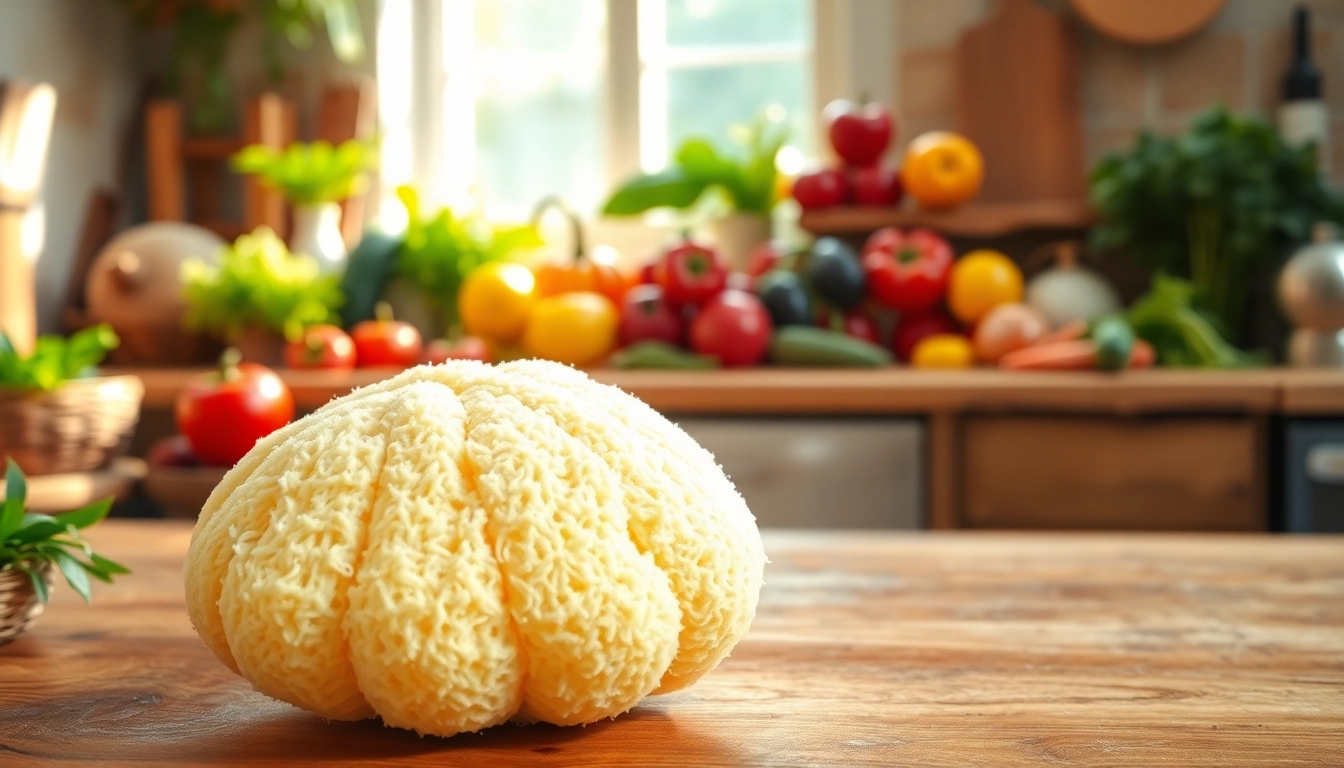
The kitchen loofah, often referred to simply as loofah, is a natural sponge derived from the loofah plant, specifically the species Luffa aegyptiaca and Luffa acutangula. This cylindrical gourd, upon maturing and drying, transforms into a fibrous, porous material that boasts excellent scrubbing properties. Used for centuries in various cultures, the kitchen loofah is not just a cleaning tool but also participates in various facets of holistic health and wellness.
History and Origin of Kitchen Loofah
The use of loofahs dates back to ancient civilizations, particularly in Asia, where they were utilized for both bathing and cleaning purposes. While loofahs were commonly favored in places like Egypt, India, and China, they eventually found their way into Western homes in the pursuit of natural and sustainable household cleaning solutions. As awareness of environmental impacts deepened, the popularity of kitchen loofahs surged, becoming a staple in many eco-friendly households.
Benefits of Using Kitchen Loofah
The kitchen loofah offers numerous advantages that make it an indispensable cleaning tool:
- Biodegradable: Unlike synthetic sponges, kitchen loofahs are natural and fully biodegradable, ensuring that they do not contribute to landfill waste.
- Effective Cleaning: The fibrous texture provides an efficient means of scrubbing, making it ideal for removing grime and food residues.
- Gentle on Surfaces: They are non-abrasive and can be safely used on delicate surfaces without causing scratches.
- Promotes Healthy Living: A natural alternative aids in maintaining a chemical-free kitchen environment.
Choosing the Right Kitchen Loofah
With various options available, selecting the appropriate kitchen loofah for your needs is essential. Here are key considerations when making your choice.
Types of Kitchen Loofah Available
The market offers a variety of kitchen loofahs, each serving distinct purposes. They can be categorized mainly into:
- Whole Loofah: These are the entire, dried loofah gourds that maintain their natural form. Whole loofahs are durable and can be cut to size for different tasks.
- Cut Loofah Pads: Pre-cut and flattened loofah pads are convenient and ready to use. They are often designed for specific tasks in the kitchen and come in various sizes.
- Loofah Sponges: These typically feature a softer texture, making them ideal for gentle scrubbing, such as on non-stick cookware.
How to Spot High-Quality Kitchen Loofah
Identifying a high-quality kitchen loofah is crucial for effective cleaning:
- Texture: A good kitchen loofah should feel firm yet flexible with a porous texture. Avoid overly soft or flimsy options.
- Color: Look for natural, earthy colors. Brightly colored loofahs may be dyed and treated chemically, which can offset their natural properties.
- Odor: A fresh kitchen loofah should have a neutral scent. An unpleasant smell indicates poor quality or improper storage.
Environmentally Friendly Options
For the environmentally conscious consumer, opting for locally sourced or organic kitchen loofahs can be beneficial. These loofahs are typically grown without pesticides or fertilizers, making them a cleaner choice. Additionally, consider buying directly from farmers’ markets or local suppliers to encourage sustainable farming practices.
Using the Kitchen Loofah Effectively
To ensure optimal performance while using your kitchen loofah, following the best practices is essential. Here are some tips to help maximize its effectiveness.
Best Practices for Cleaning with Kitchen Loofah
Using a kitchen loofah in your cleaning routine can be both effective and satisfying. Here are some best practices:
- Rinse After Use: Always rinse the loofah thoroughly after each use to remove food particles and residues.
- Soak Periodically: Periodic soaking in vinegar or a baking soda solution can help disinfect and remove trapped dirt.
- Rotate Usage: It is beneficial to have multiple loofahs on rotation to ensure adequate drying between uses.
Maintenance Tips for Longevity
To extend the lifespan of your kitchen loofah, consider the following maintenance tips:
- Air Drying: After each use, allow your loofah to air dry completely. Avoid storing it in damp areas, which can lead to mold growth.
- Regular Replacement: Replace your kitchen loofah every 3-4 weeks or sooner if signs of wear and tear begin to appear.
- Sterilization: Boil your loofah for a few minutes once in a while to disinfect it thoroughly.
Common Mistakes to Avoid
When using kitchen loofahs, certain common mistakes can lead to hygiene issues or reduced efficacy:
- Not Rinsing Properly: Failing to rinse after each use can lead to bacteria build-up.
- Using on Unappropriate Surfaces: Avoid scrubbing delicate surfaces like non-stick pans with rough loofahs that could scratch them.
- Neglecting to Replace: Ignoring signs of wear and keeping a faulty loofah can hinder cleaning efficiency.
Health Benefits of the Kitchen Loofah
Using the kitchen loofah extends beyond mere cleaning; it offers health benefits as well. Let’s uncover these advantages.
Natural Exfoliation Properties
The fibrous structure of a kitchen loofah is effective for natural exfoliation. By using it on body surfaces or in the shower, you can promote healthy skin by removing dead skin cells, fostering a smooth texture, and stimulating circulation.
Gentle on the Skin
Unlike many synthetic scrubbers that can be harsh on the skin, kitchen loofahs are soft and flexible. This gentleness allows for their use on sensitive skin without causing irritation or redness, making them suitable even for children.
Aiding in Detoxification
The exfoliation provided by kitchen loofahs encourages detoxification by aiding in the removal of toxins from your skin. Regular scrubbing can help open pores and facilitate better absorption of skin-care products, contributing to an overall healthier complexion.
FAQs About Kitchen Loofah
How do I clean my kitchen loofah?
Rinse it thoroughly after each use, and occasionally soak it in a vinegar or baking soda solution to dislodge trapped dirt.
Can kitchen loofahs harbor bacteria?
Yes, they can if not properly maintained. Ensure to dry completely and replace them regularly to avoid bacterial growth.
Are kitchen loofahs biodegradable?
Kitchen loofahs are biodegradable, making them a sustainable choice for eco-friendly cleaning.
How long does a kitchen loofah last?
With proper care, a kitchen loofah can last for several weeks, but you should replace it once it shows signs of wear or emits an odor.
What are the differences between synthetic and natural kitchen loofahs?
Synthetic loofahs may not be biodegradable and are often less effective; natural loofahs provide better scrubbing while being environmentally friendly.