Understanding Commercial Carpet Installation
When selecting flooring solutions for a business, one of the most effective options is commercial carpet installation. This type of flooring provides not only aesthetic value but also practical benefits for various commercial environments. In 2026, advancements in carpet technology and design continue to evolve, making it essential for businesses to stay informed about choices that best meet their specific needs. By understanding the nuances of commercial carpet installation, businesses can enhance their spaces while ensuring functionality and longevity.
What is Commercial Carpet Installation?
Commercial carpet installation refers to the process of fitting carpet tiles or broadloom carpets in various commercial spaces, such as offices, retail stores, and public buildings. Unlike residential carpet installation, commercial projects often require more robust materials and specialized installation techniques to accommodate higher foot traffic and usage. The installation process typically involves precise planning, site assessments, and often, professional expertise to ensure optimal results that align with the business’s operational needs.
Common Types of Commercial Carpets
- Broadloom Carpet: This is a large roll of carpet that is typically used in expansive areas. It offers seamless coverage and is available in a variety of styles and materials.
- Carpet Tiles: These square or rectangular pieces of carpet are popular in commercial settings because they are easier to install, replace, and maintain. Carpet tiles allow for creative design layouts.
- Luxury Vinyl Tiles (LVT): While not a traditional carpet, LVT mimics the look of carpet and is highly durable, making it suitable for commercial environments.
- Cut Pile and Loop Pile: These are two main types of carpet textures. Cut pile carpets are soft and plush, while loop pile carpets are durable and ideal for high-traffic areas.
Benefits of Professional Installation
Opting for professional commercial carpet installation can provide several advantages, including:
- Expertise: Professionals have the experience and skills to handle complex installation tasks, ensuring a flawless finish.
- Time Efficiency: Trained installers can complete the job more quickly than inexperienced individuals, minimizing disruption to business operations.
- Quality Assurance: Professional installation often comes with a warranty, providing peace of mind regarding the quality of work.
- Customized Solutions: Installers can offer tailored advice on the best materials and designs suited to a specific business environment.
Choosing the Right Carpet for Your Business
When it comes to selecting the ideal carpet for commercial spaces, several factors must be taken into consideration. Engaging in thorough research, including options for commercial carpet installation, can aid in making informed decisions that enhance the overall office ambiance.
Factors to Consider When Selecting Carpet
- Foot Traffic: Assess the volume of foot traffic in different areas. High-traffic locations may require more durable carpet options.
- Environment: Consider the environmental conditions of the space, like lighting and climate, which can influence carpet texture and color choices.
- Budget: Determine a budget that includes installation costs and potential maintenance expenses over the carpet’s life span.
- Design: Choose a color and design that reflects your brand while appealing to your employees and customers.
Durability and Maintenance of Carpet Types
Durability is a crucial aspect of any commercial carpet. Materials that withstand heavy use and are easy to clean can significantly extend the lifespan of your investment. For instance, nylon carpets tend to be robust and resistant to stains, making them suitable for high-traffic areas, while polyester carpets offer excellent softness and color retention but might be less durable.
Color and Design Trends for 2026
As workplaces evolve, so do design trends. In 2026, earthy tones and muted colors are anticipated to dominate the commercial carpet landscape, creating a calming atmosphere in workplaces. Additionally, geometric patterns and textures are gaining popularity, providing visual interest while maintaining professionalism.
The Installation Process Explained
Understanding the installation process can help businesses prepare effectively and ensure a successful outcome. The following outlines the key steps involved in commercial carpet installation.
Preparation and Site Assessment
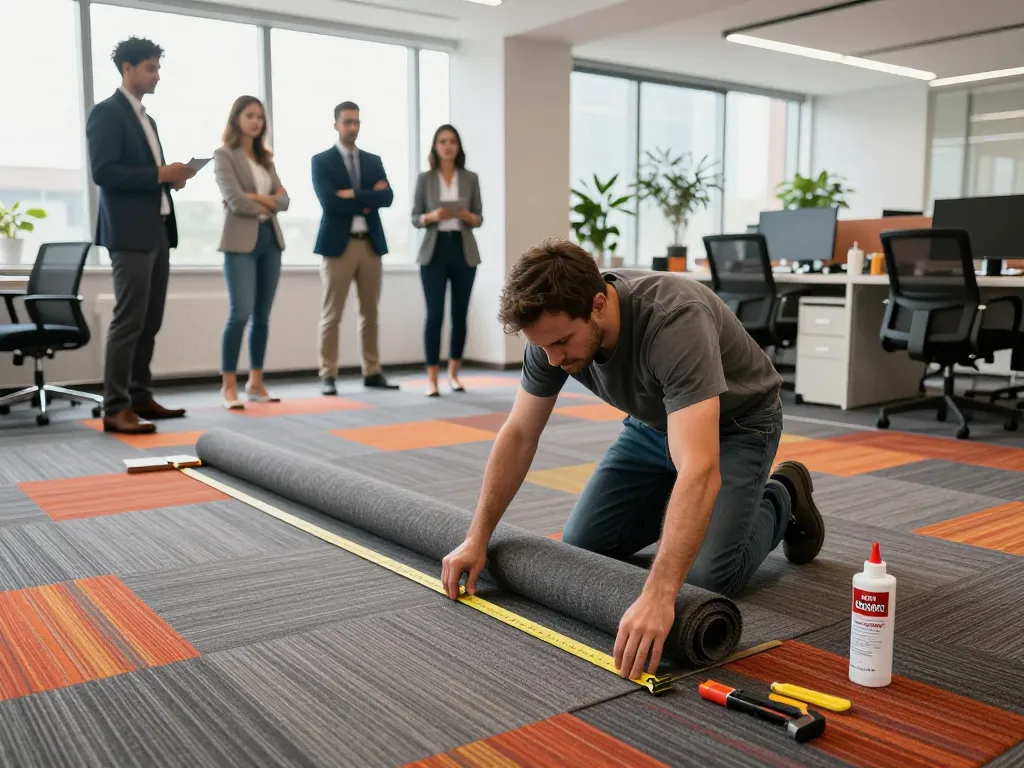
Before any carpet is laid, an extensive site assessment must occur. This includes measuring the area, evaluating subfloor conditions, and ensuring the space is free from debris and moisture. Proper preparation is vital for achieving a level surface, which influences the longevity of the carpet.
Step-by-Step Installation Guide
- Remove Existing Flooring: If necessary, existing flooring must be removed and disposed of properly.
- Prepare The Subfloor: Repair any imperfections in the subfloor and ensure it’s clean and dry.
- Lay Down Underlay (if applicable): For certain types of carpet, an underlay may be needed to enhance comfort and insulation.
- Install the Carpet: Depending on the type of carpet, either roll out broadloom and secure or lay down carpet tiles with adhesive.
- Trim and Finish: After installation, edges should be trimmed, and transition strips should be added where necessary.
Post-Installation Care and Maintenance
Once the installation is complete, the carpet requires proper care to maintain its appearance and performance. Regular vacuuming, prompt attention to spills, and periodic professional cleaning are essential for prolonging the life of the carpet.
Coping with Challenges During Installation
Despite meticulous planning, challenges may arise during commercial carpet installation. Recognizing common issues and strategizing solutions can help navigate these hurdles effectively.
Common Issues Faced in Commercial Installations
- Moisture Issues: High humidity or leaks can compromise carpet installation and lead to mold growth.
- Uneven Subfloors: An uneven surface can cause problems during installation and affect the longevity of the carpet.
- Delays: Delays in delivery or unexpected complications can push back timelines, impacting business operations.
Tips for Overcoming Installation Problems
To mitigate potential challenges, businesses should:
- Conduct thorough pre-installation assessments.
- Maintain open communication with contractors regarding timelines and any unforeseen issues.
- Ensure that materials are properly stored to avoid damage before installation.
How to Handle Unexpected Changes
In the event of unexpected changes, such as needing to adapt to a new design or project scope, flexibility is key. Regular discussions with your installation team can allow for necessary adjustments without significant setbacks. Additionally, having contingency plans in place can save time and resources.
Future Trends in Commercial Carpet Installation
As materials and technologies evolve, the commercial carpet industry is poised to undergo significant changes. Keeping an eye on emerging trends can help businesses remain competitive.
Emerging Technologies Impacting Installation
The emergence of advanced technologies, including computer-aided design (CAD) software, is revolutionizing the way carpets are designed and installed. These tools allow for precise measurements and layouts, helping to eliminate waste and streamline the installation process.
Sustainable Materials and Practices in 2026
As awareness of environmental issues grows, many businesses are seeking sustainable flooring options. In 2026, expect to see an increase in the use of recycled materials and eco-friendly practices within the commercial carpet industry, appealing to environmentally conscious consumers.
Predictions for the Future of Commercial Flooring
The future of flooring in commercial spaces will be characterized by versatility, functionality, and sustainability. New materials and designs will cater to the diverse needs of businesses while also considering environmental impacts. The integration of smart technology into flooring, such as carpets that can monitor foot traffic and reduce energy consumption, is also on the horizon.
How much does commercial carpet cost installed?
The cost of commercial carpet installation can range widely based on materials used, complexity of the installation, and labor costs. On average, businesses can expect costs to range between $2.50 and $7.50 per square foot, which includes both materials and installation.
What factors affect the pricing of commercial carpet installation?
Various factors influence pricing, including:
- Type of carpet selected (broadloom vs. carpet tiles)
- The condition of the subfloor
- Geographical location and local labor rates
- Additional features such as underlay or custom designs
Are there DIY options for carpet installation?
While DIY carpet installation is possible, it is generally recommended for simpler projects. Commercial installations often require specialized knowledge and equipment to ensure that the finished product meets the durability needs of high-traffic areas.
How long does a commercial carpet last?
With proper maintenance, a well-installed commercial carpet can last anywhere from 5 to 15 years, depending on the material and usage. Regular upkeep significantly contributes to extending the carpet’s lifespan.
What are the maintenance requirements for commercial carpets?
Maintaining commercial carpets involves regular vacuuming, prompt spot cleaning of spills, and professional deep cleaning every 6 to 18 months. Implementing a maintenance schedule can help preserve appearance and performance over time.