Understanding the Importance of Food Storage Containers with Lids
In today’s fast-paced world, proper food storage has become an essential aspect of maintaining food quality and safety. Food storage containers play a crucial role in helping individuals and families keep their meals fresh, organized, and easily accessible. An effective storage solution ensures that ingredients remain usable for longer periods, reducing food waste and saving money in the process. When exploring options, food storage containers with lids offer comprehensive insights into maintaining the perfect balance of freshness and convenience.
Why Proper Food Storage Matters
Proper food storage is integral to maintaining the quality and safety of your meals. Storing food correctly helps prevent contamination, spoilage, and foodborne illnesses. It’s especially vital for perishable items like fruits, vegetables, dairy products, and meats. When food is exposed to air or moisture, it can spoil quickly, leading to waste and the risk of consuming spoiled products. By using appropriate containers, you can maintain an optimal environment for food preservation, locking in freshness and flavor.
Common Materials Used in Food Storage Solutions
Food storage containers are made from a variety of materials, each offering distinct benefits. Some of the most common materials include:
- Plastic: Lightweight and versatile, plastic containers are popular for their affordability and variety.
- Glass: Durable and non-reactive, glass containers are ideal for storing a wide range of foods without altering their taste.
- Stainless Steel: Known for their strength and durability, stainless steel containers are great for meal prep and often come with airtight seals.
How Lids Enhance Food Freshness
Lids are an essential component of any food storage container. They create an airtight seal that keeps air, moisture, and contaminants out, which is crucial for maintaining freshness. A well-fitted lid prevents odors from escaping and protects food from external elements. Additionally, using containers with lids allows for better organization in the refrigerator or pantry, making it easier to access what you need without rummaging through clutter.
Choosing the Right Food Storage Containers with Lids
When selecting food storage containers, several factors should be considered to find the best solution for your needs. Understanding these key features will help you make an informed decision and ensure lasting satisfaction with your purchase.
Key Features to Look For
- Airtight Seals: To keep food fresh and prevent spills.
- BPA-Free Materials: For health-conscious consumers, opting for BPA-free containers is essential to avoid harmful chemicals.
- Microwave and Dishwasher Safe: Look for containers that can withstand high temperatures for reheating and are easy to clean.
Differentiating Between Glass and Plastic Options
Glass containers offer the advantage of being non-toxic and non-reactive, making them ideal for storing acidic foods like tomato sauce or citrus. They also help keep food fresher longer due to their airtight seals. However, they are heavier and can be more expensive. On the other hand, plastic containers are lightweight and shatterproof, making them a practical choice for on-the-go meals. They might not keep food as fresh as glass options, but they provide versatility in terms of size and shape.
Assessing Size and Capacity for Your Needs
Choosing the right size for your food storage containers is crucial for maximizing your kitchen space and preventing overfilling. Consider your storage needs, whether it’s for meal prepping, leftovers, or bulk storage, and select containers that suit your requirements. A well-thought-out assortment of sizes will help you organize your pantry efficiently, making meal prep and storage straightforward.
Best Practices for Using Food Storage Containers with Lids
How to Seal Containers for Maximum Freshness
To ensure the longevity of your food, it’s vital to seal your containers properly. Start by aligning the lid with the container’s edges and press down firmly until you hear a click. This sound indicates that the lid has secured with an airtight seal. Avoid overfilling your containers, as this can hinder proper sealing and lead to potential spills or spoilage.
Cleaning and Maintaining Your Storage Solutions
Proper cleaning and maintenance extend the life of your food storage containers. Always wash your containers after each use to prevent the buildup of bacteria and odors. Most plastic and glass containers are dishwasher safe for added convenience. For stubborn stains or odors, soaking them in a mixture of baking soda and water can help restore their original condition.
Organizing Your Kitchen with Food Storage Containers
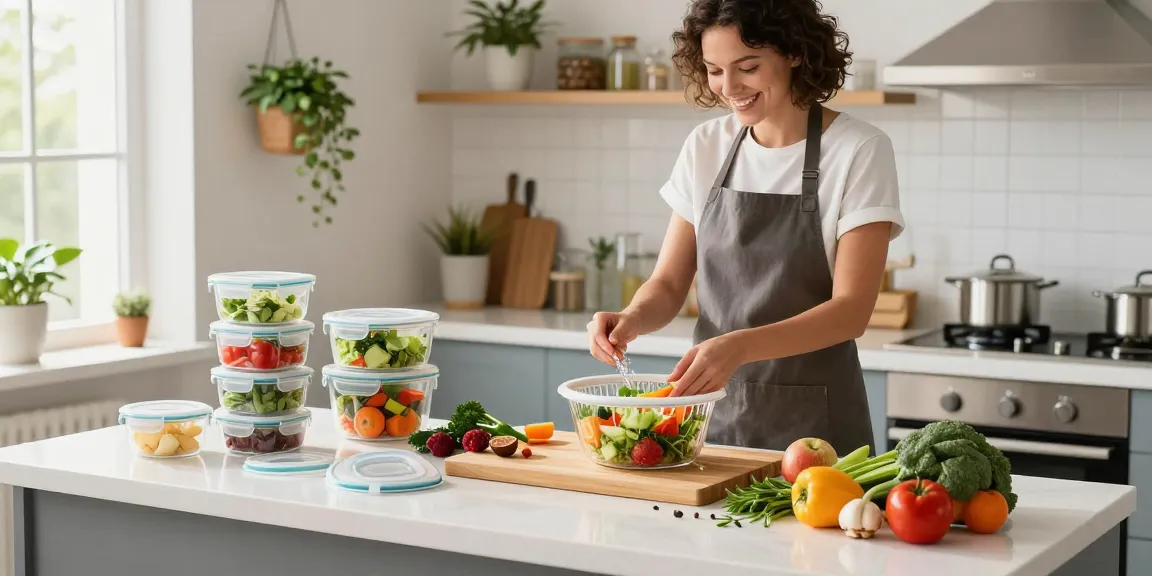
Keeping your kitchen organized is easier with the right food storage containers. Utilize clear containers to easily identify contents and label them for quick access. Group similar items together and arrange them by size to maximize space. Consider using stackable options to save room in your pantry or fridge and create a more efficient kitchen environment.
Common Mistakes to Avoid with Food Storage Containers
Ignoring Expiration Dates and Storage Guidelines
It’s essential to be aware of expiration dates and recommended storage guidelines when it comes to food safety. Ignoring these can lead to food spoilage and health risks. Always label containers with dates when you store leftovers and check them regularly to ensure you consume them in a timely manner.
Overfilling Containers: Risks and Solutions
Overfilling containers can compromise their effectiveness. It may lead to inadequate seals, increased risk of spills, and diminished food freshness. To avoid this, utilize containers that match your portion sizes and give yourself ample space for proper sealing.
Using Damaged Containers: What You Should Know
Using damaged or cracked containers can pose health risks, as they may not create proper seals and can harbor bacteria. Discard any containers that show signs of wear, and invest in high-quality options that will stand the test of time.
The Future of Food Storage Solutions in 2026
Innovative Materials and Technologies
The food storage industry continues to advance, introducing innovative materials and technologies designed to enhance food preservation. Expect to see increased use of biodegradable and eco-friendly materials that provide sustainable alternatives to traditional plastics. Additionally, smart containers with built-in sensors may help track freshness and notify users when food is nearing its expiration date.
Eco-Friendly Practices in Food Storage
As awareness of environmental issues grows, the demand for eco-friendly food storage solutions will continue to rise. Consumers are increasingly seeking containers made from recycled materials or those that are compostable. Businesses will adapt by offering more sustainable products that not only benefit consumers but also support a healthier planet.
Trends in Kitchen Organization and Storage Solutions
In 2026, the trend of minimalism will dominate kitchen organization, encouraging homeowners to declutter and streamline their food storage solutions. Multi-functional containers that serve several purposes, such as storing leftovers while doubling as serving dishes, will be increasingly popular.
What Types of Food Storage Containers Are Best for Families?
Families will benefit from versatile and space-efficient container sets that can accommodate a range of needs. Look for options that include a variety of sizes, from small containers for snacks to larger ones for meal prep. Stackable designs will help maximize shelving space, while transparent materials will allow for quick identification of contents.
How Can You Maximize Kitchen Space with Storage Solutions?
To maximize kitchen space, consider utilizing vertical storage solutions like shelving units and stackable containers. Investing in drawer organizers and tiered racks will help make the most of every inch of space. Multi-purpose containers that nest into one another when not in use can significantly reduce clutter.
What Are the Health Benefits of Using Quality Food Storage Containers?
Quality food storage containers are essential for maintaining food safety and nutrition. They help prevent spoilage, which in turn reduces the risk of foodborne illnesses. Additionally, containers made from safe materials, such as glass or BPA-free plastic, can reduce exposure to harmful chemicals, ensuring that the food you consume is healthy and safe.
How Do You Choose the Right Size for Food Storage Containers?
Choosing the right size for food storage containers depends on your specific needs. For meal prep and leftovers, opt for a range of sizes that can accommodate various portion sizes. For pantry items, select larger containers for bulk storage and smaller ones for spices and condiments. Make sure to measure your storage space to select appropriately sized containers.
Are Glass Containers Safer than Plastic for Food Storage?
Glass containers are generally considered safer than plastic due to their non-reactive nature. They do not leach chemicals into food and are less likely to retain odors or stains. However, the choice between glass and plastic ultimately depends on individual preferences and usage scenarios.
What Are the Best Practices for Cleaning Food Storage Containers?
To effectively clean food storage containers, use warm soapy water or a dishwasher for routine cleaning. For tough stains or odors, consider using a mixture of vinegar and baking soda. Avoid using harsh chemicals or abrasive sponges that can damage the container’s surface over time.
How Do You Use a Salad Spinner Effectively?
A salad spinner is a valuable tool for washing and drying leafy greens efficiently. To use one effectively, start by filling the bowl with water and adding your greens. Swirl them around to dislodge dirt, then lift the inner colander and drain the water. Spin until water is fully removed, ensuring fresh, crisp salads every time.