Understanding Flooring LVP Basics
What is Flooring LVP?
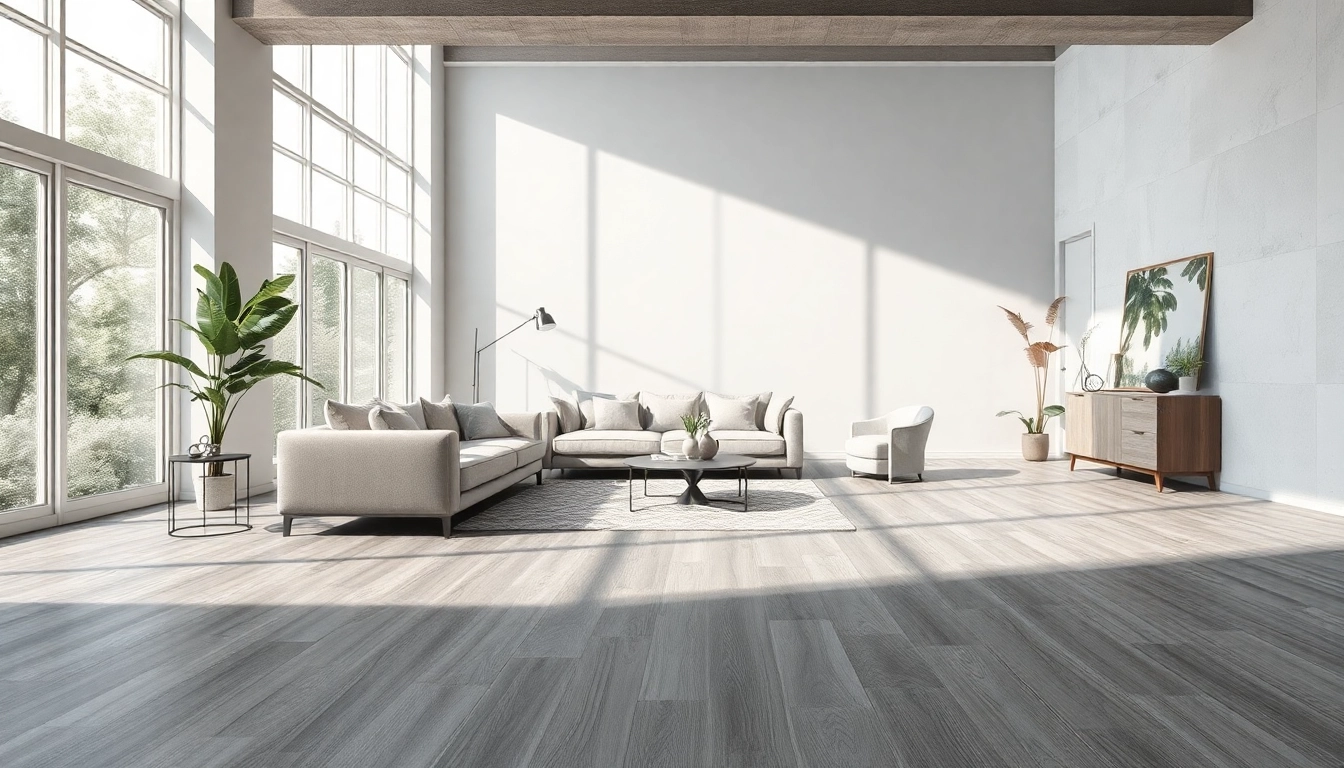
Flooring LVP, or Luxury Vinyl Plank, is a high-quality, synthetic flooring material designed to mimic natural wood or stone surfaces. It offers a combination of aesthetic appeal and practicality, making it popular for both residential and commercial spaces. Unlike traditional vinyl, LVP features multiple layers, including a wear layer, design layer, and backing layer, which provide durability and comfort underfoot. Its unique construction allows it to withstand heavy foot traffic while being resistant to scratches and scuffs.
Benefits of Using Flooring LVP
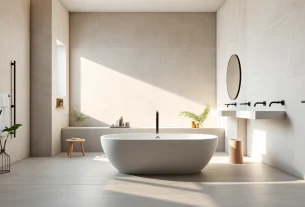
Choosing flooring lvp has numerous advantages. Firstly, its water resistance makes it an excellent choice for areas prone to moisture, such as kitchens and bathrooms. Secondly, LVP is easy to install, often requiring no adhesive and enabling a floating floor installation. Its low maintenance requirements—typically just regular sweeping and occasional mopping—further enhance its appeal. Additionally, LVP is available in various styles and colors, allowing homeowners to customize their spaces according to personal preferences. Lastly, the comfort of LVP, which often includes a cushioned backing, enhances its appeal, making it pleasant to walk on.
Choosing the Right Style and Color
Selecting the appropriate style and color of flooring LVP can significantly impact the overall aesthetics of a space. When choosing, consider the existing décor and color palette. Lighter shades can create a sense of spaciousness and brightness, while darker hues can add warmth and depth. Additionally, the texture of the planks can also play a role; options include smooth surfaces for a contemporary look or embossed finishes for mimicking natural wood grains. It’s beneficial to obtain samples before making a final decision, ensuring that the chosen color complements the lighting and other elements of your home.
Installation Process of Flooring LVP
Preparing Your Space for Installation
Preparation is key to a successful flooring installation. Begin by clearing the area of all furniture and fixtures. The subfloor should be thoroughly cleaned, dry, and free of any debris. Furthermore, it’s essential to check for imperfections in the subfloor, like cracks or bumps, as these can affect the installation and the finished appearance of the flooring. If necessary, repairs should be made, and a moisture barrier may be laid down to prevent any potential water issues.
DIY vs. Professional Installation
Deciding between DIY installation and hiring professionals depends on your comfort level and experience with flooring projects. DIY installation can save money and can be a rewarding challenge for those with handy skills. However, without the proper tools and experience, mistakes can occur, leading to additional costs in the long run. Conversely, professional installation may initially cost more but can guarantee a quicker, error-free setup, ensuring that the flooring performs well over its lifespan.
Common Installation Mistakes to Avoid
Several common mistakes occur during the installation of flooring LVP. One significant error is neglecting to acclimate the planks to the room’s temperature and humidity levels before installation. Failure to do so can result in expansion or contraction after installation. Another frequent mistake is improper alignment of the planks, leading to uneven seams or gaps. Lastly, not leaving an expansion gap around the edges of the room can cause issues as the material expands and contracts with temperature changes.
Maintaining Your Flooring LVP
Cleaning and Care Tips
Maintaining the beauty of flooring LVP is relatively straightforward. Regular sweeping or vacuuming can prevent dirt and debris from scratching the surface. For deeper cleaning, a damp mop with a mild cleaner is recommended, ensuring that excess water is not applied. Avoid using harsh chemicals or abrasives that could damage the finish. Additionally, placing mats at entryways can help reduce the amount of dirt tracked onto the flooring, prolonging its life.
Protecting Your Flooring LVP from Damage
While flooring LVP is designed to be durable, taking proactive measures can extend its lifespan. Using furniture pads under heavy furniture can prevent scratches, while area rugs can protect high-traffic areas. Moreover, avoiding the use of rubber-backed mats, which can trap moisture, is crucial. Regular inspection for signs of wear or damage can help address issues before they become severe, ensuring ongoing satisfaction with your flooring investment.
When to Consider Replacement
Though flooring LVP is long-lasting, circumstances may arise when replacement is necessary. Visible signs of wear, such as deep scratches, dents, or curling edges, can indicate that the flooring is reaching the end of its lifespan. Additionally, if the flooring begins to warp or lift, it may be time for a replacement. Other factors including aesthetic preference changes or damage that cannot be repaired may also warrant a new installation. Ultimately, homeowners should assess both the functional and visual needs of their spaces.
Cost Analysis of Flooring LVP
Budgeting for Flooring LVP
Budgeting for flooring LVP involves considering various factors, including the cost of materials, installation, and potential ongoing maintenance. On average, LVP is often more affordable than traditional hardwood or tile options, making it a popular choice among homeowners. It’s essential to obtain multiple quotes from suppliers and potential installers, ensuring transparency in pricing and exploring various product ranges suitable for your budget. Be sure to include a buffer in your budget for unexpected expenses that may arise during the installation process.
Costs vs. Traditional Flooring Options
When comparing costs, flooring LVP generally provides a cost-effective alternative to hardwood or ceramic tiles. While traditional hardwood may require significant investment and ongoing maintenance costs, LVP often delivers similar aesthetics with added water resistance and ease of care at a fraction of the price. Furthermore, installation costs for LVP can be lower, especially if opting for a DIY approach, as many LVP products feature click-lock designs. Evaluating long-term durability and overall savings can highlight LVP’s economic advantages.
Financing Choices for Homeowners
Homeowners considering flooring LVP have various financing options to support their purchases. Many retailers offer installment plans or financing through credit options, alleviating the immediate financial burden and enabling a manageable payment schedule. Additionally, exploring home improvement loans or lines of credit can provide further financial flexibility. It’s recommended to read terms carefully, comparing interest rates and repayment durations to ensure the most favorable arrangement.
Frequently Asked Questions about Flooring LVP
How long does flooring lvp last?
Flooring LVP can last 10 to 30 years depending on the quality of the product and the maintenance it receives. Regular care helps to ensure its longevity.
Is flooring lvp waterproof?
Many flooring LVP products are designed to be 100% waterproof, making them ideal for areas like kitchens and bathrooms where moisture is common.
Can flooring lvp be installed over existing flooring?
Yes, flooring LVP can often be installed over existing floors, provided the surface is flat and in good condition. This can save time and effort during installation.
What maintenance does flooring lvp require?
Maintenance for flooring LVP is minimal, typically requiring sweeping and occasional mopping with a mild cleaner to keep it looking its best.
How does flooring lvp compare to hardwood?
Flooring LVP offers a similar aesthetic to hardwood at a lower cost, with benefits like enhanced water resistance, easier maintenance, and a softer feel underfoot.