Understanding Bath Reconstruction Basics
What is Bath Reconstruction?
Bath reconstruction is a process that involves remodeling or upgrading an existing bathroom space. This may include changing fixtures, altering the layout, or completely overhauling the aesthetics and functionality of the bathroom. The goal is to enhance the usability, comfort, and visual appeal, thereby increasing the value of the home. A well-planned bath reconstruction project can significantly transform an outdated area into a modern sanctuary of relaxation.
Common Reasons for Bath Reconstruction
There are several reasons homeowners consider bath reconstruction:
- Updating Old Features: Older bathrooms may have outdated fixtures that don’t meet modern standards of comfort and efficiency.
- Increasing Home Value: A renovated bathroom can enhance a property’s marketability, appealing greatly to potential buyers.
- Improving Accessibility: As family needs change, some may require features that promote accessibility, such as grab bars and walk-in tubs.
- Enhancing Aesthetics: Aesthetic updates can redefine a home’s style and make it a more enjoyable place to live.
- Resolving Functionality Issues: If the bathroom layout is not functional, reconstruction can help optimize space and flow.
Key Components of Bath Reconstruction
A successful bath reconstruction involves several critical components:
- Design: The visual appeal and practicality of the space, often requiring a well-thought-out design plan.
- Fixtures: Choices of sinks, toilets, bathtubs, and showers that fit the design and functionality requirements.
- Materials: Selection of tiles, countertops, cabinetry, and other finishes that contribute to durability and aesthetics.
- Lighting: Proper lighting enhances the usability and mood of the bathroom.
- Plumbing and Electrical Systems: Works necessary to ensure that all fixtures are functional and up to code.
Planning Your Bath Reconstruction
Setting a Realistic Budget
Establishing a budget is a crucial step in the planning phase of bath reconstruction. Consider all possible expenditures, from materials to labor costs. It’s wise to account for unexpected expenses, typically allocating an additional 10-20% of your overall budget for contingencies. Engage with professionals to gather quotes, allowing a clearer understanding of potential costs. Researching average costs associated with specific materials and fixtures is essential to ensuring your plans align with your financial capabilities.
Choosing the Right Design Style
Design style selection is pivotal in achieving a cohesive and appealing bathroom. Popular styles include:
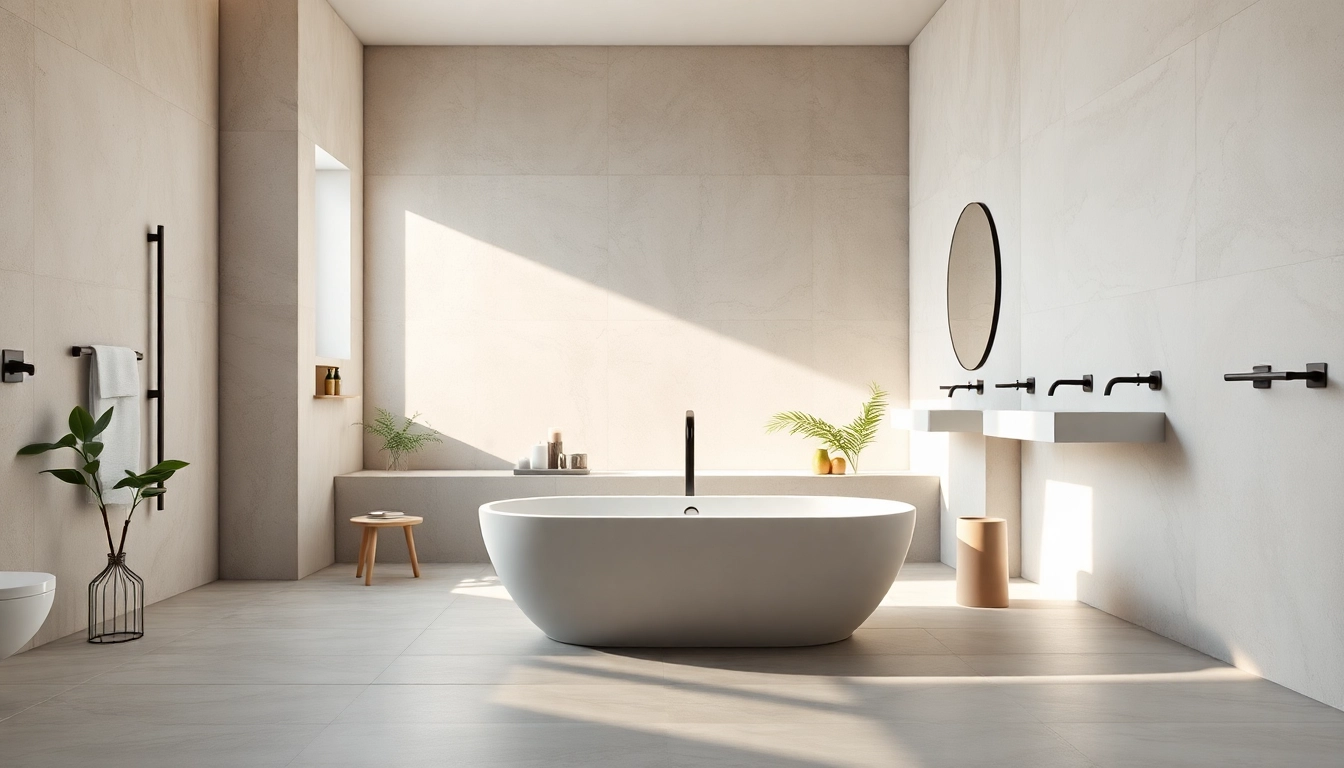
- Modern: Clean lines, minimalistic fixtures, and neutral color palettes.
- Traditional: Classic elements like clawfoot tubs and detailed cabinetry.
- Rustic: Natural materials and a cozy, country-inspired feel.
- Contemporary: A blend of modern aesthetics with current trends and technologies.
In deciding on a design, consider personal preferences and how well different styles blend with the rest of the home.
Permits and Regulations in Bath Reconstruction
When undertaking bath reconstruction, it’s vital to comply with local regulations and obtain necessary permits. Such permits often pertain to plumbing, electrical work, and structural changes. Failure to acquire the required permits may result in fines or complications during the sale of the property. Always consult with local building authorities or hire a contractor who understands local regulations to ensure that all aspects of the project are compliant.
Hiring Professionals for Bath Reconstruction
When to Consider Hiring a Contractor
While some might consider DIY solutions for their bath reconstruction, certain situations necessitate professional assistance. If the project involves complex plumbing or electrical work, structural changes, or if you simply lack the time or experience, hiring a contractor is advisable. A qualified contractor not only has the expertise but also the connections to secure quality materials at better prices. It can lead to an overall smoother and more efficient process.
What to Look for in a Bathroom Specialist
When interviewing bathroom specialists, consider the following attributes:
- Experience: Look for specialists with proven track records in bath reconstruction projects.
- Portfolio: Review past work to ensure their style aligns with your vision.
- References: Obtaining testimonials from previous clients can offer insights into their reliability and performance.
- Licensing and Insurance: Verify that they hold the appropriate licenses and insurance for liability protection.
Benefits of Professional Assistance in Bath Reconstruction
Engaging professionals in your bath reconstruction process can provide numerous benefits, including:
- Expert Guidance: Professionals can offer insights tailored to your space, improving overall design and functionality.
- Time Efficiency: Tasks completed by experienced professionals typically take less time than DIY attempts.
- High-Quality Results: Contractors are skilled in achieving high standards in workmanship, minimizing the chance of costly errors.
- Access to Resources: Professionals often have greater access to industry contacts, materials, and fixtures that are not easily available to the public.
DIY Techniques in Bath Reconstruction
Essential Tools and Materials for DIY
If you’re committed to a DIY bath reconstruction project, investing in the right tools and materials is crucial. Essential tools include:
- Measuring Tape: For precise measurements of space.
- Plumbing Wrench: Essential for loosening or tightening fittings.
- Level: Ensures that installed fixtures are even.
- Tile Cutter: Necessary for those who plan to install new tile flooring or walls.
- Screwdrivers and Drills: For installing various fixtures and accessories.
Step-by-Step Guide for Basic Reconstruction
Here’s a simple guide to get started on a DIY bath reconstruction project:
- Plan the Layout: Measure the space and design a workflow that allows for easy movement.
- Gather Materials: Purchase all required materials based on your design plan.
- Demolition: Safely remove existing fixtures and materials, ensuring utility lines are turned off.
- Install New Fixtures: Follow installation guidelines for all plumbing and electrical components.
- Add Finishing Touches: Include decorative elements such as tiles, paint, or fixtures.
Safety Tips for DIY Bath Reconstruction
Safety is paramount during any home renovation project. Consider these safety tips:
- Wear Protective Gear: Use gloves, goggles, and masks to protect against dust and debris.
- Work in a Well-Ventilated Area: Ensure proper airflow, especially when working with chemicals and paints.
- Know Your Limits: If a task feels beyond your skill level, don’t hesitate to consult with a professional.
- Turn Off Utilities: Always ensure water and electricity are turned off before starting work.
Maintaining Your Newly Reconstructed Bath
Best Practices for Bath Maintenance
Proper maintenance prolongs the life of your newly reconstructed bathroom. Adopt these best practices:
- Regular Cleaning: Establish a cleaning routine to prevent the buildup of mold and mildew.
- Inspect Fixtures: Regularly check for leaks or wear and tear on fixtures to prevent further damage.
- Use Gentle Cleaners: Avoid harsh chemicals that may damage surfaces over time.
Common Issues and Solutions
No matter how well you plan, some common issues can arise post-reconstruction:
- Leaks: If discovered, address them promptly to prevent water damage.
- Mold and Mildew: Employ dehumidifiers or fans to reduce moisture levels in the bathroom.
- Scuffed Tiles: Use a gentle abrasive or tile-specific cleaner for restoration without causing further damage.
Long-term Care for Your Reconstruction Project
Long-term care is essential after completing a bath reconstruction. Implement these strategies:
- Seasonal Inspections: Schedule recurring checks to identify any emerging issues related to plumbing and fixtures.
- Preventative Maintenance: Regularly maintain showers and tubs to prevent buildup and wear.
- Monitor Humidity Levels: Consider installing ventilators or air purifiers to maintain optimal humidity.
Frequently Asked Questions
What is the average cost of bath reconstruction?
The average cost can vary significantly based on design choices, materials, and labor. Generally, a complete renovation may range from a few thousand to tens of thousands of dollars.
How long does a bath reconstruction project usually take?
The timeline for a bath reconstruction project typically spans from a few weeks to a couple of months, depending on the complexity and extent of the work involved.
Can I do bath reconstruction on my own?
Yes, if you possess the necessary skills and tools, you can undertake bath reconstruction. However, for extensive projects, it’s advisable to consult professionals for complicated tasks.
What materials are best for a bathroom?
Water-resistant materials such as ceramic tile, vinyl, and natural stone are excellent choices for bathroom surfaces due to their durability and ease of maintenance.
How can I maintain my newly reconstructed bath efficiently?
Establish a regular cleaning routine, inspect fixtures periodically, and address any issues promptly to ensure the longevity of your reconstructed bath.