
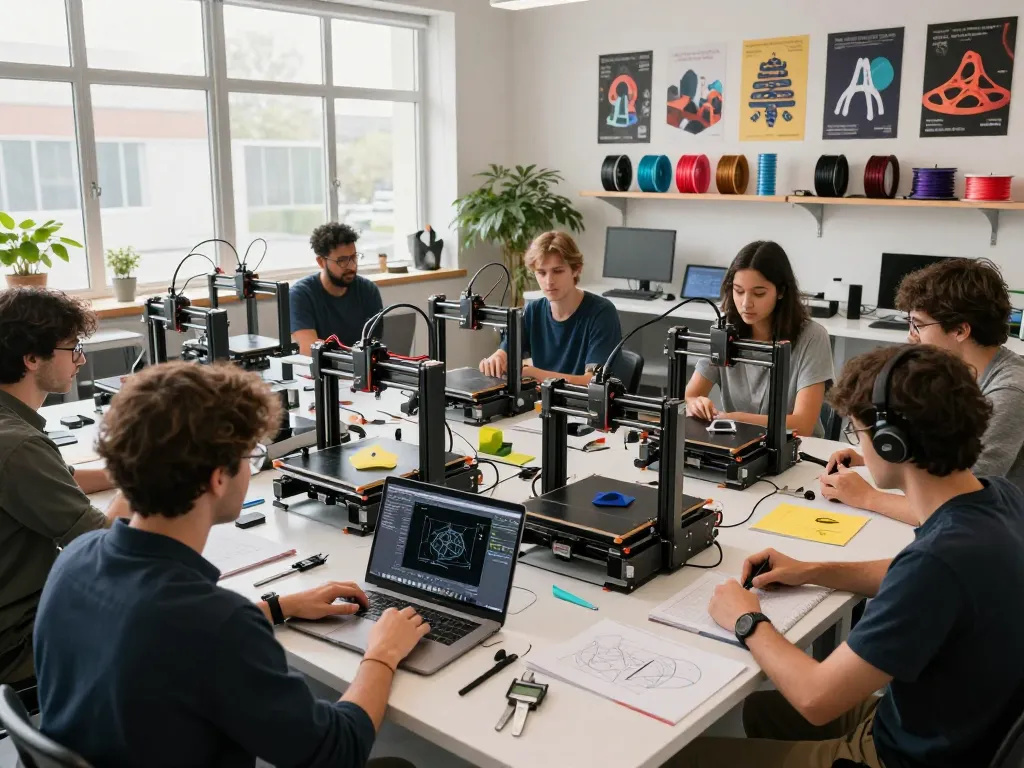
Understanding 3D Printing Technology
3D printing, also known as additive manufacturing, is revolutionizing the way we produce objects across various industries. The ability to create three-dimensional objects from digital files has opened new avenues for innovation, creativity, and efficiency. This technology allows for rapid prototyping and customization, catering to unique design requirements while reducing waste compared to traditional manufacturing methods. When exploring options, 3D Printing is not only accessible for individuals and businesses but is also continuously evolving to meet the demands of modern technology.
What is 3D Printing?
3D printing is the process of creating an object by layering materials based on a Computer-Aided Design (CAD) model or a digital 3D model. Introduced in 1984, this technology has advanced significantly, allowing for the production of complex geometries that were previously impossible or cost-prohibitive with traditional manufacturing methods. The process typically involves the following steps:
- Designing a 3D model using CAD software.
- Converting the design into a compatible format (like STL).
- Using a 3D printer to create the object layer by layer.
- Post-processing, such as cleaning and finishing the printed object.
Key Technologies Behind 3D Printing
Several core technologies enable 3D printing, each offering distinct advantages depending on the application:
- Fused Deposition Modeling (FDM): One of the most common methods, FDM works by melting thermoplastic filaments and extruding them layer by layer to build an object.
- Stereolithography (SLA): This process uses a UV light to cure liquid resin into solid parts, allowing for high-resolution prints with intricate details.
- Selective Laser Sintering (SLS): SLS employs a laser to fuse powdered materials, which is ideal for producing durable parts without the need for support structures.
- Material Jetting: Similar to inkjet printing, this technology jetting droplets of resin, which are cured to create solid layers.
Applications Across Various Industries
3D printing has found applications across numerous sectors, showcasing its versatility and potential. Key industries include:
- Healthcare: Custom prosthetics, dental implants, and even organ models for surgical planning.
- Aerospace: Production of lightweight components that improve fuel efficiency and performance.
- Automotive: Rapid prototyping of parts and tools, as well as custom modifications for vehicles.
- Fashion: Unique jewelry designs and footwear created with high levels of customization.
- Education: Providing hands-on learning experiences with the ability to create physical models for study.
Cost Breakdown of 3D Printing
Initial Investment: Equipment and Materials
The cost of entering the world of 3D printing can vary widely based on the technology chosen. For hobbyists, entry-level FDM printers can cost as little as $200, while more advanced models can range from $1,000 to $5,000 or more. Professional-grade machines, such as professional SLA or SLS printers, can exceed $50,000. Additionally, the costs of materials, which can vary significantly based on the type of filament or resin, also influence the overall investment.
Operational Costs: Maintenance and Labor
Ongoing expenses include maintenance costs, which can be low for hobby models but may be higher for industrial machines due to the demands of frequent use. Material costs also vary depending on the complexity and volume of prints. For hobbyists, monthly material expenses may range from $20 to $100, while professionals may face costs between $100 and $500 per project. Furthermore, if outsourcing printing, labor costs can add significant expenses, often ranging from $15 to $30 per hour.
Comparing Hobby vs. Professional 3D Printing Costs
Understanding the cost dynamics is essential for anyone considering 3D printing. Hobbyists often enjoy a lower barrier to entry, while professionals must account for higher quality materials and equipment, as well as labor costs for complex projects. It is crucial to analyze the intended application and required quality when determining the financial commitment to 3D printing.
Common Challenges in 3D Printing
Addressing Design Flaws and Printing Errors
While 3D printing offers great advantages, it comes with its share of challenges. Design flaws such as non-manifold edges or incorrect dimensions can lead to failed prints. Common printing errors, including layer misalignment or warping, can also affect the quality of final products. To mitigate these issues, designers should utilize software that checks for errors before sending files to print.
Material Limitations and Selection
Choosing the right material is crucial for achieving desired results. Each material type—be it plastic, metal, or resin—has unique properties affecting durability, flexibility, and finish. Limitations in material availability may restrict certain designs, necessitating thorough research to select appropriate materials.
Understanding Post-Processing Techniques
Post-processing can significantly impact the end product’s quality. Techniques such as sanding, painting, or coating improve aesthetics but require time and skill. Understanding these processes is essential for achieving professional finishes on 3D-printed objects.
Best Practices for Successful 3D Printing
Design Considerations for Optimal Prints
Successful 3D printing starts with thoughtful design. To enhance printability, designers should consider factors such as wall thickness, overhangs, and supports. Utilizing design software that simulates print outcomes can greatly help in identifying potential issues prior to manufacturing.
Setting Up a Productive Printing Environment
A conducive printing environment is vital for consistent quality. Factors such as temperature control, cleanliness, and printer calibration affect the performance of 3D printers. Maintaining an organized and well-ventilated workspace ensures optimal results and tool longevity.
Maintaining Your 3D Printers Effectively
Regular maintenance keeps 3D printers running smoothly. Simple practices such as cleaning nozzles, lubricating moving parts, and updating software can prevent technical issues and extend the lifespan of the equipment. Developing a routine maintenance schedule is beneficial for both hobbyists and professionals alike.
The Future of 3D Printing: Trends and Innovations
Emerging 3D Printing Technologies to Watch in 2026
As we move towards 2026, several promising advancements are poised to reshape the 3D printing landscape. Innovations such as bioprinting for medical applications and the development of new composite materials are gaining traction, paving the way for more sustainable and efficient production methods.
Real-World Innovations Transforming Industries
Real-world applications of 3D printing continue to emerge, from architectural models to consumer goods. Companies are exploring the integration of 3D printing in supply chains, which can lead to faster production times and reduced material costs. This adaptability ensures 3D printing remains a valuable asset across industries.
Expert Insights on 3D Printing’s Evolution
Industry experts predict that 3D printing will become more mainstream in manufacturing, with increased focus on automation and smart technologies. The potential for customization and localized production will challenge traditional manufacturing paradigms, leading to a more efficient and responsive market.
How much does it cost to have someone 3D print something?
The costs associated with outsourcing 3D printing vary significantly based on complexity, materials, and scale. A simple print can range from $10 to $50, while intricate designs may run into the hundreds. Understanding these pricing structures can help businesses make informed decisions about whether to invest in their own equipment or utilize external services.
What materials are commonly used in 3D printing?
Materials such as PLA, ABS, PETG, and various resins are commonly used in 3D printing. Each material offers unique characteristics, making some more suitable for specific applications than others. Researching material properties is crucial for selecting the right one for each project.
How can I improve the quality of my 3D prints?
Improving print quality involves several factors, including optimizing print settings, ensuring proper material choice, and maintaining a clean printer environment. Additionally, utilizing updated software and firmware can enhance performance, leading to successful prints.
What are some common applications of 3D printing?
3D printing finds common applications in industries ranging from education to aerospace. Some popular uses include prototyping, manufacturing of custom tools, artistic models, and even food production. The versatility of 3D printing continues to expand the horizons of possibility.
Are there any environmental impacts of 3D printing?
While 3D printing offers benefits such as reduced material waste, it does pose environmental concerns. The production of plastics and resins can contribute to pollution, albeit on a smaller scale than traditional manufacturing. Ongoing research focuses on developing eco-friendly materials and processes to minimize these impacts.